
Licensing and training requirements shape how essential service businesses operate, hire, and grow. While many industries are grouped together under the umbrella of “professional services,” the reality is that each field has its own education pathways, compliance standards, and ongoing learning expectations. These differences affect everything from career entry points to long-term risk management and profitability.
Understanding how training and licensing differ across industries helps business owners plan for workforce development, helps employees map realistic career paths, and helps advisors better evaluate operational risk. This article breaks down how requirements vary across technical, mechanical, construction, equipment-based, legal, and financial roles, with practical guidance you can apply whether you’re building a team or building a career.
Training Paths for Technical Maintenance and Systems Roles
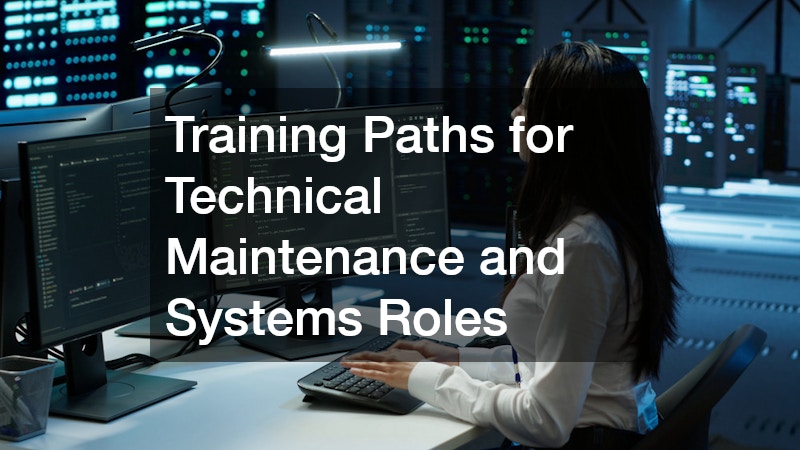
Technical service roles often sit at the intersection of electronics, diagnostics, and evolving technology. Employees in these fields must adapt quickly as equipment, software, and systems change. Unlike more static trades, success depends on the ability to learn continuously and apply new knowledge in real-world environments where downtime, accuracy, and reliability all matter.
In a repair printer company, technicians typically begin with foundational electronics training combined with manufacturer-specific certifications. Many skills are learned through hands-on experience, but formal coursework in electrical systems, hardware diagnostics, and software troubleshooting significantly improves performance and employability. As modern devices integrate cloud connectivity and remote management tools, exposure to networking basics and cybersecurity concepts is also becoming more valuable. Technicians who understand how devices communicate across networks are better equipped to diagnose complex, non-obvious failures.
Similarly, a process monitoring company often requires a deeper technical background. Employees may work with industrial sensors, control systems, and data analysis platforms that demand both theoretical understanding and applied problem-solving. These roles often benefit from training in automation, programmable logic controllers, and data interpretation, as employees are expected to identify issues before they escalate into failures. Preventive maintenance and trend analysis skills can dramatically reduce system downtime and operational risk.
Key training considerations include:
-
Community college programs focused on electronics or industrial technology
-
Vendor-led certification programs tied to specific systems and platforms
-
Continuous learning to stay current with firmware, software, and automation trends
-
Cross-training in both hardware and software environments to improve adaptability
-
Hands-on lab work that mirrors real-world troubleshooting scenarios
Actionable tips:
-
Employers should document internal training processes to ensure consistency and reduce onboarding time
-
Employees should keep records of all certifications and manufacturer training for audits and career advancement
-
Pair technical training with mentoring to accelerate problem-solving skills
-
Career growth improves dramatically when technical skills are paired with analytical thinking and clear communication abilities
Because technology changes faster than regulation, ongoing education becomes the primary safeguard against operational risk, service interruptions, and outdated practices.
Licensing Standards in Construction and Structural Services
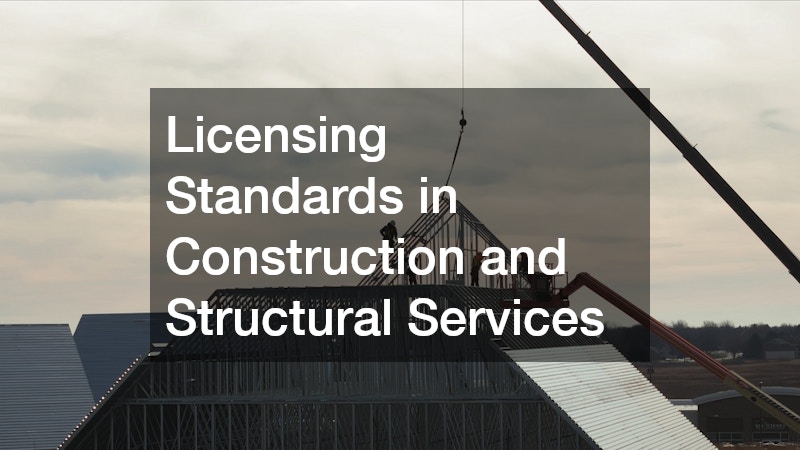
Construction-focused industries operate under some of the most complex licensing frameworks in the service economy. Requirements vary not only by state, but often by city or county, creating a layered regulatory environment that can be challenging for both new and established businesses. Compliance isn’t optional, failure to meet licensing requirements can result in fines, project delays, or the inability to bid on work, making it essential for companies to have a structured compliance strategy.
A roofing company may require different licenses depending on whether it performs residential or commercial work, the types of materials installed, or whether it operates across multiple jurisdictions. Licensing often includes proof of work experience, trade-specific exams, bonding, and insurance. For example, installing solar panels or fire-resistant materials may require additional certification or endorsements. Companies expanding into multiple counties or states must track variations in rules, ensuring that crews are legally authorized to perform work in each location.
For a commercial roofing company, expectations are typically higher. Large-scale projects often involve complex logistics, high-value contracts, and significant liability. Safety standards are stricter, inspections more frequent, and documentation requirements more extensive. Supervisors may need credentials related to project management, OSHA compliance, or specialized installation techniques. Large commercial projects may also require proof of financial stability or surety bonds to protect clients in case of incomplete or faulty work.
Common requirements include:
-
State contractor licenses and local permits
-
Proof of liability and workers’ compensation insurance
-
Safety training such as OSHA 10 or OSHA 30
-
Documentation of bonding and financial responsibility for large projects
Actionable tips:
-
Track license renewals centrally using software or a dedicated compliance officer to avoid lapses
-
Understand reciprocity rules if expanding into new regions, as not all licenses transfer across states
-
Invest in safety training programs to reduce workplace accidents, claims, and insurance premiums
-
Keep detailed records of inspections, certifications, and employee qualifications to simplify audits and improve client confidence
-
Develop a recurring review schedule for changing codes, safety standards, and licensing requirements
In construction, compliance is not just about legality, it directly affects bidding eligibility, project timelines, insurance costs, and client trust. Companies that proactively manage licensing and training can reduce risk, improve efficiency, and position themselves for growth in a highly competitive industry.
Mechanical and Environmental System Career Requirements
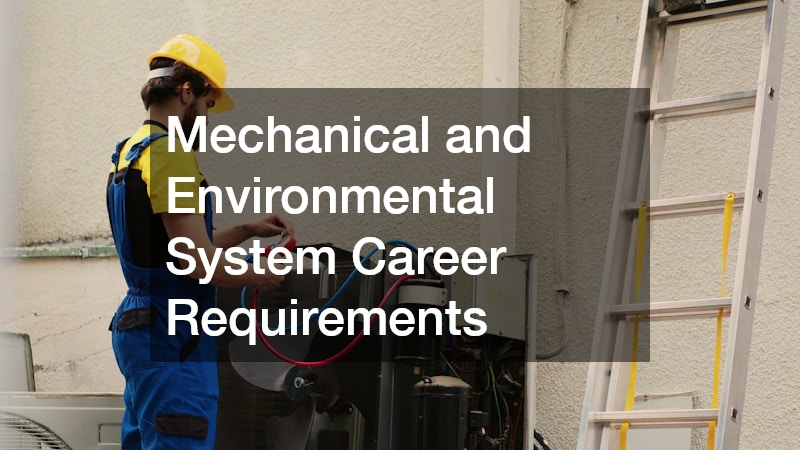
Mechanical and environmental system roles, such as those in HVAC services and air duct cleaning and repair, combine technical skill, regulatory compliance, and safety considerations. Unlike some trades, these roles involve both mechanical installation and an understanding of environmental standards, energy efficiency, and indoor air quality. Training and licensing are therefore essential for ensuring both competent work and regulatory compliance.
An HVAC company requires technicians to obtain licenses and certifications that vary by state and sometimes by city. Entry-level employees often start with a combination of classroom instruction and apprenticeship programs, covering electrical systems, refrigeration cycles, and mechanical troubleshooting. Technicians must also complete Environmental Protection Agency (EPA) certification courses if they handle refrigerants. Beyond initial licensing, ongoing education ensures employees stay up-to-date with changing building codes, energy efficiency standards, and new HVAC technologies such as variable refrigerant flow systems or smart climate controls.
Similarly, an air duct cleaning and repair company operates in a niche where both safety and indoor air quality standards are critical. Technicians must be trained in proper cleaning procedures, containment protocols to prevent cross-contamination, and identification of mold or other hazardous materials. While licensing requirements may be less rigid than HVAC certification, formal training in building codes, safety practices, and ventilation system design significantly enhances performance and customer trust.
Key training considerations include:
-
Apprenticeships or technical programs that combine classroom learning with hands-on experience
-
State or local licensing exams for mechanical systems and environmental safety
-
Manufacturer certifications for specialized HVAC equipment or duct cleaning tools
-
Continuing education on energy efficiency, indoor air quality, and emerging technologies
-
Cross-training in related areas, such as electrical systems, automation, and building controls
Actionable tips:
-
Encourage technicians to pursue certifications for multiple HVAC systems to increase versatility and employability
-
Maintain a central record of all licenses, certifications, and training hours for audit readiness and career advancement
-
Implement refresher courses for safety protocols and code updates to reduce liability and improve service quality
-
Pair technical training with soft skills, such as client communication and troubleshooting documentation, to enhance overall service delivery
Because these fields evolve quickly, both in terms of technology and regulation, ongoing education and structured training are the primary safeguards against operational errors, regulatory fines, and reputational damage. Companies that invest in comprehensive licensing and training programs are better positioned to maintain compliance, reduce accidents, and provide high-quality, reliable service to clients.
Equipment-Intensive Trades and Utility Services
Industries that rely on heavy equipment or complex installations face heightened safety, technical, and compliance expectations. In these roles, documented competence is often more important than tenure, because mistakes can result in serious injuries, property damage, regulatory penalties, and costly project delays. As a result, structured training programs and verified credentials are critical for workforce readiness and operational success.
A rigging equipment rental company must ensure that employees are trained to inspect, operate, and transport specialized equipment safely. This includes understanding load capacities, recognizing early signs of wear or damage, and following proper securing and rigging procedures. Depending on the jurisdiction and the type of equipment, certifications may be required for crane operation, forklift use, load calculation, and site-specific safety protocols. Many companies implement regular refresher courses, pre-shift safety checks, and on-site mentoring to ensure skills remain current. Employers are also responsible for maintaining thorough training records to demonstrate compliance during inspections and insurance audits.
Similarly, a plumbing company operates under strict building codes that govern how systems are installed, repaired, and inspected. Licensing typically progresses from apprentice to journeyman to master status, with each stage requiring both experience hours and examinations. Apprentices focus on learning foundational skills under supervision, while journeymen gain more independence and may supervise smaller projects. Master plumbers can oversee large-scale jobs, manage crews, and ensure code compliance. Continuing education is essential, as plumbing codes frequently evolve to accommodate new materials, conservation standards, and public health regulations.
Key training and compliance considerations include:
-
Equipment-specific safety training tailored to the machinery used on-site
-
Up-to-date knowledge of local and national building codes
-
Periodic inspections and competency evaluations to verify skills
-
Detailed documentation of experience hours, supervision, and training completion
-
Cross-training employees in related trades to enhance versatility and efficiency
Actionable tips:
-
Encourage cross-training to improve scheduling flexibility, minimize downtime, and allow crews to handle diverse tasks
-
Monitor updates to local building and safety codes to prevent compliance gaps and costly rework
-
Invest in certifications that are transferable across employers, regions, or equipment types to enhance career mobility
-
Implement routine safety audits and inspections to reinforce best practices and prevent accidents
-
Maintain a central, digital record of all employee training, licenses, and certifications for accountability and audit readiness
In equipment-heavy fields, the consequences of mistakes are high, making proper training and licensing essential. Companies that invest in robust training programs not only reduce the risk of accidents and liability but also improve employee confidence, efficiency, and overall operational sustainability. A workforce that is both competent and compliant becomes a competitive advantage, helping businesses deliver projects safely, on time, and to code.
Professional Licensing in Legal and Financial Services
Professional services tied to legal and financial outcomes carry a unique set of risks, rooted not only in technical accuracy but also in ethics, fiduciary responsibility, and regulatory compliance. Unlike many trade-based roles, errors in these fields may not be immediately visible, yet their consequences can be long-lasting and severe, including legal liability, financial loss, and reputational damage. This reality makes licensing and continuing education a critical part of professional practice.
A family law firm requires attorneys to complete formal legal education, pass a bar examination, and participate in ongoing continuing education programs. Licensing bodies closely monitor ethical compliance, which encompasses client confidentiality, conflict-of-interest management, accurate recordkeeping, and professional conduct in court and negotiations. Violations, whether intentional or inadvertent, can result in sanctions, suspension, fines, or permanent disbarment. Beyond meeting minimum legal requirements, attorneys must stay informed about changing statutes, new case law, and evolving court procedures to provide competent representation.
An investment advisor operates under a similarly rigorous regulatory framework designed to protect clients’ financial interests and ensure transparency in all transactions. Licensing often involves passing multiple examinations, such as the Series 7, Series 65, or other state-specific exams, depending on the advisor’s focus. Advisors must also adhere to disclosure obligations, implement fiduciary standards, and complete annual continuing education to remain compliant with evolving regulations and market conditions. Detailed documentation of financial advice, portfolio recommendations, and client communications is essential to withstand audits, regulatory reviews, or client disputes.
Common expectations for legal and financial professionals include:
-
Accredited degrees and passing professional exams relevant to their specialty
-
Mandatory continuing education hours tied to license renewal and competency requirements
-
Regulatory audits, mandatory disclosures, and reporting obligations
-
Adherence to ethical and fiduciary standards, including client confidentiality and conflict-of-interest management
-
Ongoing professional development to keep pace with legislative or market changes
Actionable tips:
-
Plan for education and licensing costs as part of a long-term career and business budgeting strategy
-
Choose specializations that align with stable or growing demand to ensure career longevity
-
Maintain meticulous documentation of all licenses, certifications, continuing education, and client interactions to simplify audits and regulatory reviews
-
Treat continuing education as a strategic advantage for skill development, not simply a compliance requirement
-
Implement internal compliance systems, mentorship, and review processes to reduce the risk of errors and violations
Licensing in legal and financial services is not just an entry requirement; it is an ongoing professional responsibility that shapes credibility, client trust, and long-term career resilience. Professionals who prioritize education, ethical compliance, and diligent recordkeeping gain a competitive advantage, protect themselves and their clients, and reinforce the integrity of their practice over the course of a career.
Licensing and training requirements differ widely across essential service industries, but they all serve the same purpose: protecting clients, employees, and businesses from unnecessary risk. Whether a role is hands-on, technical, or advisory, education and compliance standards influence career mobility, operational stability, and long-term growth.
By understanding these differences, professionals can make informed career decisions, employers can design smarter training programs, and advisors can better evaluate organizational resilience. Licensing should not be viewed as an obstacle, but as a framework that supports sustainable success across every essential service sector.
