
Relocating an established business or launching a brand-new commercial location is a major milestone. It signals corporate growth, cultural evolution, and a fresh chapter for employees and clients alike. However, the operational gap between signing the contract and welcoming the public can feel incredibly overwhelming. There are countless moving parts, dozens of independent vendors to coordinate, and strict regulatory safety codes to satisfy before daily operations can legally begin. Without a structured, step-by-step roadmap, project timelines easily slip, unexpected overhead costs escalate, and stress levels spike across leadership teams.
Managing a commercial transition requires balancing legal compliance, aesthetic considerations, and functional installations all at once. For many stakeholders, this is not a regular responsibility but a rare corporate disruption that demands specialized project management skills. Taking an ad hoc approach rarely works out well in commercial real estate. Instead, successful modern enterprises rely on structured checklists to maintain visibility over every phase of construction and setup.
This comprehensive guide breaks down the essential tasks every business owner, operations director, and facility manager must tackle. By approaching the transition systematically, organizations can minimize costly downtime, maintain staff productivity, and protect their bottom line. From the initial paperwork and legal reviews to the final polishing of the entrance doors, here is the complete operational checklist required to transform a vacant commercial property into a thriving, highly functional workplace ready for its grand debut.
Finalizing Legalities and Initial Spatial Planning
The journey toward a successful grand opening officially begins the moment lease negotiations conclude. Navigating the modern landscape of commercial real estate requires careful attention to detail well beyond the initial handshake. Long before any physical modifications start on the property, managers must thoroughly review their documentation to understand baseline structural responsibilities. Every agreement outlines specific terms regarding tenant improvements, maintenance obligations, utility baselines, and restoration clauses that directly impact how interior work can proceed.
Understanding the boundaries of a commercial agreement prevents costly legal misunderstandings down the road. It determines who pays for structural changes and how long the build-out phase can last before full occupancy fees apply. Navigating the nuances of modern commercial office leasing requires a clear division of labor between the property owner and the incoming business tenant. For instance, some landlords offer generous tenant improvement allowances to offset construction costs, while others hand over the keys on an as-is basis, leaving the infrastructure upgrades entirely to the incoming company. Additionally, confirming that the intended business activities align with municipal zoning ordinances prevents regulatory setbacks after the contract is finalized.
Once the administrative framework is settled, obtaining accurate floor plans becomes the top physical priority. This document serves as the foundation for every subsequent trade professional who enters the building. Teams must walk the space alongside architects or project managers to note the exact locations of load-bearing walls, structural columns, utility tie-ins, and emergency exits. Documenting these physical attributes early prevents logistical logjams when new installations begin. It ensures that the physical dimensions of the space match the operational needs of the business model before capital is deployed.
Overhauling Electrical Systems and Fire Protection Compliance

With the keys in hand and the layout verified, the focus shifts toward core utility infrastructure. Commercial operations demand robust, stable, and scalable utilities that can handle high-density usage without unexpected system failures. Servers, computers, breakroom appliances, climate control units, and specialized machinery put an immense strain on power grids. Bringing in certified professionals to assess the current state of infrastructure is non-negotiable for workplace safety and long-term operational continuity.
An experienced commercial electrician service should be booked immediately to audit the main distribution panels, circuit breakers, and wiring paths. This technical evaluation identifies hidden hazards such as outdated wiring, overloaded circuits, or code violations left behind by prior tenants. The technicians will install dedicated lines for heavy machinery, place convenience outlets where employees need them most, and set up energy-efficient lighting systems that lower monthly utility bills. They also verify that backup generators and emergency exit signs are fully operational, protecting the business from unexpected power surges and blackouts.
Simultaneously, comprehensive fire protection must be prioritized to satisfy municipal building codes and insurance policy mandates. No business can open its doors to the public without passing a rigorous inspection by the local fire marshal. Property managers must coordinate a comprehensive fire extinguisher service to evaluate the type, number, and placement of suppression units throughout the facility. Technicians will inspect existing canisters, verify hydrostatic testing dates, mount units at legally required heights, and place high-visibility signage above each station. This process ensures the workplace is equipped to handle specific hazards, whether dealing with electrical risks in server rooms or grease risks in cafeteria spaces.
Deploying Advanced Security and Monitoring Technologies

A modern commercial facility requires robust defensive layers to safeguard proprietary data, expensive equipment, and physical staff members. Relying on basic lock-and-key mechanisms is no longer sufficient for high-performing modern enterprises. Implementing integrated electronic security allows companies to manage facility access dynamically while capturing real-time visual records of everyday workplace activity, creating a safe environment for all occupants.
The first line of defense involves managing who can cross the threshold of the building at any given time. Installing a centralized access control system eliminates the logistical headache of physical keys, which are easily lost, stolen, or duplicated by departing personnel. This technology allows administrators to issue digital keycards, key fobs, or biometric permissions tailored to individual employee schedules. If an employee leaves the company, their credentials can be deactivated instantly via a software dashboard, preventing unauthorized re-entry and maintaining strict perimeter control without changing physical locks. Furthermore, these digital systems generate automated logs of entries and exits, providing a transparent audit trail that can prove invaluable for regulatory compliance or internal HR reviews.
To complement electronic entry barriers, facility directors must deploy comprehensive surveillance systems across strategic vantage points. High-definition cameras should monitor primary entryways, secondary exit doors, loading docks, reception areas, and corridors housing sensitive inventory or servers. Modern cameras offer remote cloud monitoring, enabling stakeholders to view live feeds from smartphones or laptops anywhere in the world. Visible cameras act as a strong psychological deterrent against external vandalism and internal theft, while providing invaluable video evidence should an accident occur on the premises.
Curating Ergonomic Workstations and Collaborative Zones
Once the underlying infrastructure is safe and secure, attention turns to the interior environment where employees spend the majority of their working hours. The physical arrangement of an office directly impacts employee health, daily productivity, morale, and overall operational efficiency. Transitioning away from uninspiring rows of generic cubicles, modern enterprises look for dynamic layouts that foster creativity while accommodating focused, independent work.
Collaborating with specialists in commercial office furniture design allows businesses to optimize every square foot of their new layout. Designers look at traffic patterns, natural lighting sources, and departmental relationships to build an intuitive spatial flow. They select ergonomic sit-to-stand desks, supportive task chairs, and modular conference tables that adapt to changing business needs. Thoughtful design also accounts for acoustic balance, incorporating sound-dampening panels and private phone booths so that open-concept layouts do not become overly chaotic or disruptive during busy hours. It also factors in multi-functional spaces, where cafeteria tables double as casual meeting areas, maximizing the utility of every square foot. By aligning physical furniture with digital infrastructure, companies create an adaptable environment that scales alongside their workforce.
Material selection during this phase requires a balance between aesthetic appeal and long-term durability. Commercial furniture must withstand heavy daily wear while matching the visual identity of the brand. Designers assist in choosing fabrics that resist stains, surfaces that wipe clean easily, and color palettes that enhance focus and reduce eye strain. Spending time planning this phase ensures that the final delivery and installation process aligns perfectly with electrical outlets and data ports, preventing messy cords from cluttering the floor.
Deep Industrial Sanitation and Surface Preparation
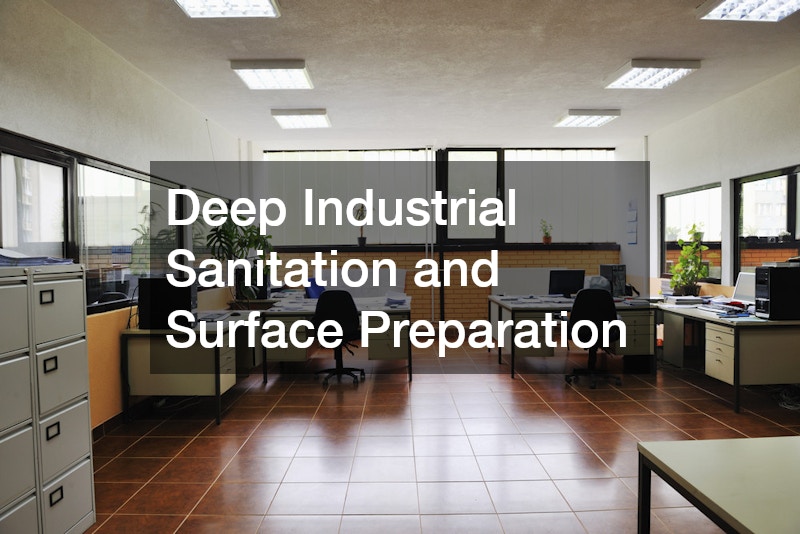
Construction, utility work, and the installation of new furnishings inevitably leave behind a massive trail of dust, debris, and chemical residues. Bringing employees or clients into a recently modified space without a comprehensive deep clean is an operational mistake that can harm health and damage a brand’s image. Standard janitorial sweeps are inadequate for clearing away fine drywall dust, adhesive overspray, and manufacturing oils left on new surfaces.
Hiring a specialized commercial cleaning company is the most efficient way to bring the interior up to pristine, hospitable standards. These professional crews possess industrial-grade vacuums, specialized cleaning solutions, and the technical training required to sanitize delicate electronics, glass partitions, and air vents safely. They tackle often-overlooked areas like the insides of cabinetry, high light fixtures, and window tracks, ensuring that the indoor air quality remains healthy and free of airborne construction particles before the HVAC system starts circulating air full-time.
Special attention must be paid to the various flooring materials running throughout the facility, as they receive the highest amount of abuse during a move. Scheduling a professional floor cleaning treatment restores the luster of hardwoods, sanitizes grouted tile lines, and removes deep-seated grime from carpets. For resilient flooring like vinyl composition tile or polished concrete, technicians apply protective sealants and high-gloss finishes that protect the underlying material from future foot traffic and rolling chair wheels. This fundamental step ensures the floors look immaculate and are significantly easier to maintain on a day-to-day basis.
Transforming the Exterior Facade and Surrounding Grounds
While the interior of the building dictates daily productivity, the exterior architecture determines the very first impression a company makes on the public. A faded, peeling, or dirty facade suggests neglect, which can subconsciously deter potential clients and depress employee pride. Elevating the curb appeal of a commercial building is a high-return investment that signals professionalism, stability, and attention to detail to everyone who drives past.
Contracting an experienced commercial exterior painting company can instantly modernize an outdated building envelope. Professional painters understand how to prepare diverse substrate materials, including stucco, brick, concrete, and metal siding, using industrial-grade primers and weather-resistant topcoats. They can transform an uninspiring exterior into a bold architectural statement that matches corporate branding guidelines. Beyond pure cosmetics, a fresh, high-quality paint application serves as a critical protective shield against moisture penetration, sun damage, and pest intrusion, preserving the building’s structural integrity for years.
Before any new coatings are applied, and to maintain the surrounding hardscapes, a comprehensive power washing regimen must be executed across the property. High-pressure water blasting removes years of accumulated engine oil stains, dark chewing gum spots, mold growth, and thick atmospheric pollution from sidewalks, parking lots, and concrete entryways. Cleaning these exterior surfaces creates a welcoming path for guests and eliminates slippery algae patches that pose dangerous slip-and-fall hazards, mitigating costly corporate liability claims before the grand opening.
Pre-Launch Inspections and the Road to the Grand Opening
With the physical improvements completed inside and out, the final phase focuses on operational verification and celebratory preparation. The transition from a chaotic job site to an active workplace requires a final round of rigorous double-checks to ensure everything runs smoothly. Managers must walk the property one last time with a detailed punch list, testing every single light switch, door handle, plumbing fixture, and data connection to catch minor flaws before they disrupt daily business operations.
Staff training should take place during this quiet window before the public arrives. Employees need to familiarize themselves with the new building layouts, emergency evacuation routes, and the operation of newly installed security systems. Running mock scenarios ensures everyone knows how to host clients safely and use communal tech efficiently. Gathering feedback from these dry runs allows managers to tweak operational workflows before the stakes are raised.
Once the team feels confident and the physical environment is completely flawless, leadership can confidently host soft launches for close partners and VIP stakeholders. This targeted strategy generates early buzz and tests building capacities under realistic conditions. Following these trial runs, leadership can execute a triumphant, high-profile grand opening event with marketing campaigns, ribbon cuttings, and community invitations that positions the business for long-term regional success.
