
Opening a physical location is a monumental milestone for any business owner. It represents the transition from a conceptual design, an online storefront, or a home-based operation into a tangible asset within a local community. While the digital marketplace offers incredible reach, the power of a brick-and-mortar presence remains unmatched when it comes to building real customer relationships and establishing long-term brand authority.
However, moving from an abstract business plan to a physical grand opening requires a strategic sequence of steps. The process demands meticulous attention to legal, financial, and logistical details. Many entrepreneurs underestimate the sheer volume of coordination required to transform a vacant commercial shell into a fully operational, compliant, and welcoming environment.
A successful launch is rarely the result of luck. It comes from systematic planning, clear goal-setting, and hiring the right professionals at the right moments. By understanding the entire timeline beforehand, business owners can avoid costly construction delays, regulatory hurdles, and budget overruns. Every detail matters during this phase. From the initial lease signatures to the final coat of paint, each choice influences the daily workflow of the employees and the overall experience of the clientele. Property layout, local zoning codes, and utility capacities must align perfectly with the corporate vision. Navigating these complexities can feel overwhelming, but breaking the project down into distinct, logical phases keeps the momentum steady. This guide serves as a practical manual for managing that transformation safely and efficiently.
Building the Financial Bedrock

Before a single hammer strikes a wall or any equipment is moved into a facility, the administrative foundation must be completely secure. The earliest days of a brick-and-mortar venture should focus heavily on corporate entity formation, regulatory licensing, and structural financial planning. Selecting the appropriate legal structure, whether it is a limited liability company or a corporation, alters how the company files taxes and protects personal assets. Once the legal entity is registered with the state, establishing a dedicated commercial banking system becomes the top priority. Mixing personal and business expenses is a fast track to regulatory headaches and accounting confusion.
Engaging certified accounting services early in the process ensures that all startup expenses, lease deposits, and equipment purchases are tracked with absolute precision. This proactive organization prevents costly discrepancies that frequently disrupt early-stage enterprises. Early financial structuring also sets the stage for a smooth transition into future fiscal cycles. A clear ledger helps owners understand their true burn rate and project accurately when the physical location will begin turning a profit.
As the opening date approaches, having a clean financial trail makes it far simpler to collaborate with specialists who handle tax prep services. These tax professionals look for specific operational deductions and capital depreciation strategies that can save a new business thousands of dollars in its opening year. Setting up these systems from day one removes the stress of administrative chaos, allowing the leadership team to focus its full energy on the physical build-out of the property.
Assessing the Physical Building Envelope
With the paperwork and financial frameworks established, attention naturally turns to the chosen physical property. Whether an entrepreneur is purchasing a standalone building or leasing a unit in a bustling shopping center, a thorough inspection of the building envelope is necessary. The envelope consists of the roof, walls, and subfloors that shield the interior from outside elements. Minor exterior vulnerabilities can quickly escalate into structural catastrophes during a heavy storm, ruining expensive interior inventory or electronic systems.
Because of this risk, a wise business owner always brings in a professional roofer to inspect the top of the facility. This specialist evaluates the current condition of the roofing materials, looks for subtle signs of pooling water, and ensures the commercial drainage systems are completely clear.
At the same time, the structural openings of the building require equal scrutiny to prevent energy waste and security breaches. Aging or poorly sealed entryways can cause heating and cooling bills to skyrocket, directly harming the monthly bottom line. Partnering with a reliable window company allows the business to assess the durability and insulation value of the storefront glass. Upgrading to heavy-duty, energy-efficient panes not only keeps utility costs manageable but also provides an extra layer of defense against forced entry. Taking the time to properly audit and repair these exterior features before installing interior drywall or expensive fixtures prevents unexpected operational pauses down the road. A secure, well-insulated building envelope provides the peace of mind needed to invest confidently in the interior aesthetics and custom layouts of the commercial space.
Crafting Brand Identity and Access Control

Once the physical shell of the building is deemed structurally sound, the focus shifts toward transforming the space into a recognizable brand asset while maintaining high security. The storefront is the very first point of contact for prospective customers, making visual communication incredibly important. A professionally designed business sign must be manufactured and installed according to local municipal zoning laws and landlord guidelines. This exterior display acts as a silent marketer, working twenty-four hours a day to catch the eye of passing traffic and build local brand recognition long before the official grand opening occurs.
A highly visible storefront also means the property requires strict security measures to protect the assets waiting inside. While the exterior displays invite people in, the locking systems must keep unauthorized individuals out during non-business hours. This is the ideal phase to consult with experienced business locksmiths who understand the unique security demands of commercial properties.
These security technicians do much more than simply change out basic deadbolts. They design master key systems, install high-security cylinders that resist picking or drilling, and integrate heavy-duty panic bars on emergency exit doors to meet local life-safety codes. They can also implement electronic access control systems, allowing management to track exactly who enters specific storage areas or administrative offices. By addressing public branding and perimeter defense simultaneously, an entrepreneur establishes a professional outward appearance while ensuring that all merchandise, tools, and proprietary data remain completely secure.
Deploying Heavy Utility Infrastructure
Behind the fresh paint and branding elements lies the complex network of utilities that actually keeps a commercial enterprise running. The mechanical requirements of a business are vastly different from those of a residential home. Commercial equipment demands higher voltages, continuous usage cycles, and robust fail-safes. Attempting to run industrial appliances or extensive computer networks on an outdated electrical setup is a major safety hazard that can lead to constant breaker trips or electrical fires.
Hiring a certified commercial electrician is an absolute necessity during this phase of the build-out. This specialized tradesperson maps out the power distribution panel, runs dedicated circuits for heavy machinery, ensures proper grounding for sensitive servers, and installs energy-compliant interior lighting systems.
While power runs the technology, a functional water system is equally vital for daily operations, sanitation, and compliance with local health codes. From employee restrooms to commercial kitchens, the liquid infrastructure must be flawless. A licensed plumber should be brought in to inspect the main water lines, configure adequate drainage systems, and install commercial-grade fixtures that can withstand heavy public usage. This professional ensures grease traps are code-compliant if food service is involved and tests for proper water pressure across the entire layout. Neglecting these hidden internal systems during the early phases of construction can result in tearing down fresh drywall later to fix a broken line or an overloaded circuit. Investing in professional utility installations early creates a safe, stable foundation that supports the business for years to come.
Optimizing Climate and Environmental Quality

With power and water lines safely routed throughout the facility, the next priority is creating a comfortable, healthy indoor environment for both employees and visiting clients. Indoor climate control is not just about comfort; it directly impacts worker productivity and influences how long customers choose to stay inside a store or restaurant. A space that is uncomfortably hot in the summer or freezing in the winter will struggle to retain foot traffic.
To prevent these issues, scheduling professional AC services is essential before opening the doors. Experienced HVAC technicians calculate the specific cooling and heating loads of the commercial space, factoring in the size of the building, the number of occupants, and the heat generated by electronics or kitchen appliances. They verify that the ductwork distributes air evenly and install programmable thermostats that allow management to optimize energy usage during closed hours.
Along with regulating air temperature, ensuring the purity of the facility’s water supply is another critical element of environmental quality. Raw municipal tap water often contains trace minerals, chlorine, or sediment that can negatively affect the taste of beverages, damage expensive commercial appliances, or leave unsightly residue on fixtures. Implementing advanced water filtration systems addresses these concerns directly. These filtration setups provide clean, crisp drinking water for the staff breakroom, protect ice machines from scaling, and ensure that any water used in product manufacturing meets the highest purity standards. Prioritizing indoor climate and clean water shows a clear commitment to health, safety, and operational excellence.
Staff Preparation and Inventory Systems
With the physical infrastructure firmly in place, the operational focus shifts from construction to staffing and logistical systems. Hiring the right team is only the first part of the equation; preparing them to represent the brand effectively is what ensures long-term operational success. New employees need to be thoroughly trained on safety protocols, customer interaction standards, and the specific software systems used by the company. This preparation should happen within the actual commercial space so the team can get a natural feel for the physical workflow.
Simultaneously, inventory must be ordered, received, and meticulously organized. Managing stock levels in a retail setting or stocking raw ingredients in a food establishment requires an intuitive organizational structure. If products are poorly labeled or stored haphazardly, daily productivity will drop, and customer wait times will rise.
Management should use this quiet period to establish clear storage zones, configure point-of-sale systems, and verify that barcode scanners and digital registers connect properly to the central network. Ensuring that the back-end technology communicates smoothly with front-end operations reduces the likelihood of embarrassing system crashes during the high-volume environment of the opening week. Training the team in a fully prepared facility builds their confidence and ensures they can deliver a professional, seamless experience to every customer who walks through the door.
Conducting Regulatory and Operational Dress Rehearsals
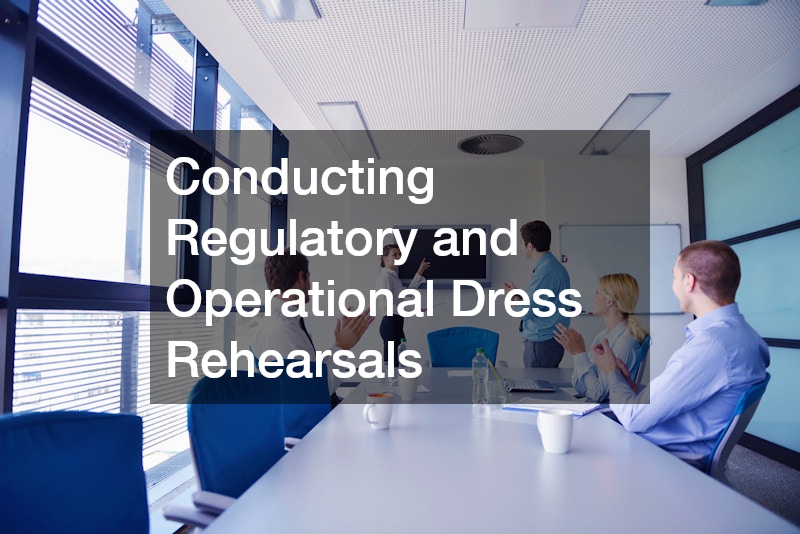
Before the doors can open to the general public, the business must pass a series of strict municipal and operational tests. Regulatory compliance is not a step that can be rushed or ignored. Local building inspectors, fire marshals, and health department officials must visit the site to review the entire build-out and ensure it complies with all safety codes and environmental laws. This involves testing emergency exit signs, verifying that fire extinguishers are properly mounted, and confirming that the ventilation systems operate safely.
Once the official permits are secured, running a soft opening is a proven way to test operational readiness. A soft opening involves opening the business with limited hours or a restricted menu for an invited audience, such as friends, family members, or neighboring business owners. This low-stakes trial run gives the newly trained staff a chance to practice their duties under real-world conditions without the pressure of a massive public crowd.
It allows management to watch the physical layout in action and identify any unforeseen logistical issues. If the checkout area becomes overly congested or if a piece of machinery proves difficult to access, the team can make the necessary physical adjustments before the main launch. Observing how the systems handle live transactions helps refine the daily workflow, ensuring that the entire operation runs smoothly when the official grand opening arrives.
Launching the Grand Opening and Maintaining Momentum
The final step in the blueprint is executing the grand opening, a celebratory event that introduces the brand to the local community. A successful launch relies on strong local marketing, special introductory promotions, and direct community engagement to attract high volumes of initial foot traffic.
However, the true test of a business begins after the opening day excitement concludes. Long-term success requires transitioning from a launch mindset to a sustainable, daily management routine. This means maintaining the clean accounting ledgers established on day one, keeping a strict eye on ongoing operating expenses, and setting up a preventative maintenance schedule for the entire physical property.
Regularly servicing the building infrastructure ensures that the business avoids unexpected operational disruptions or costly emergency repairs. By protecting the initial physical and financial investments with consistent, disciplined oversight, an entrepreneur can turn a successful grand opening into an enduring, prosperous storefront that serves the local community for years to come.
