
Surviving your startup’s first year is a milestone worth celebrating, but year two brings a new set of risks that many founders overlook. As revenue grows and physical assets accumulate, so does your exposure to theft, equipment failure, and costly downtime. The businesses that thrive past year two are often the ones that took asset protection seriously before it became an emergency. This guide walks through the practical, often-overlooked steps to lock down your equipment, cash reserves, and physical workspace.
Securing Business Cash Reserves and Precious Metal Holdings

As your startup approaches its second year, cash management becomes more nuanced than simply keeping funds in a checking account. Many founders now split reserves across FDIC-insured business savings accounts, short-term Treasury bills, and money market funds to balance liquidity with modest returns. A common approach is keeping three to six months of operating expenses easily accessible while letting a smaller cushion earn interest in slightly less liquid vehicles. Many founders also diversify a portion of their business reserves into physical gold and silver as a hedge against inflation or banking instability, but holding these assets safely requires planning. Before making a purchase, it pays to compare offers from several gold silver buyers to understand current market spreads, since premiums over spot price can vary by 3-8% depending on the dealer and product type. Getting at least three quotes on the same coin or bar weight helps you spot outliers and avoid overpaying in fees. Working only with established, transparent dealers protects you from counterfeit product and unfair pricing. Look for sellers who are members of industry groups like the Professional Numismatists Guild or accredited by the Better Business Bureau, and who provide clear buyback policies in writing. Finally, factor in storage costs, whether a bank safe deposit box, a private vault service, or insured home storage, since even small annual fees can erode returns if your metals holdings are meant to sit untouched for years.
Cash reserves deserve the same scrutiny as physical assets. Spread startup funds across FDIC-insured accounts at multiple institutions, since standard coverage caps out at $250,000 per depositor, per bank. For balances exceeding that threshold, consider a cash management account that automatically sweeps excess funds across a network of partner banks to keep everything insured. If your startup already holds bullion or coins, periodically reassess their value against a source offering the best priced gold in your region, since spreads can vary significantly between dealers — sometimes by 3% to 5% on the same weight and purity. Check pricing quarterly rather than relying on a single purchase-day quote, since gold’s spot price fluctuates daily and dealer premiums shift with demand. Keeping documentation of purchase price, weight, and certification also makes future resale or insurance claims far easier to process. Store digital copies of assay certificates, invoices, and third-party grading reports in a secure cloud folder separate from physical storage locations. It’s also worth photographing each piece alongside its certification number, since insurers increasingly ask for visual proof when underwriting high-value claims.
- Get quotes from at least three dealers before buying or selling, including one online and one local, to expose markups and spreads
- Ask about buyback policies before you commit to a purchase — some dealers only buy back what they sold you, and at a discount to spot
- Compare the bid-ask spread across dealers, not just the sticker price, since a wide spread quietly erodes returns
- Store certificates of authenticity separately from the physical metal, ideally in a different secure location or safe deposit box
- Keep photos and serial numbers of coins or bars on file in case of loss, theft, or insurance claims
- Track spot price movements weekly if metals are a meaningful reserve asset, using a simple spreadsheet or price alert app
- Set a rebalancing threshold — for example, if metals drift more than 10% from your target allocation, revisit your holdings
Storing Valuables and Sensitive Documents Onsite
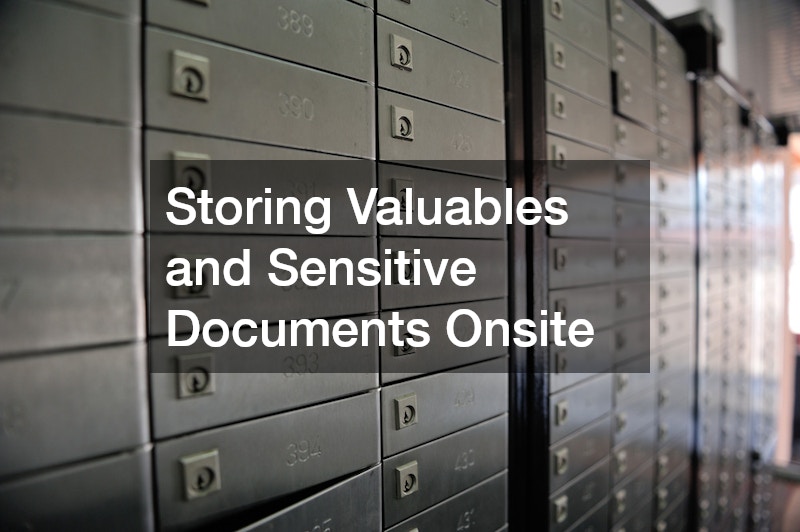
Every growing company accumulates items that are expensive, irreplaceable, or both: contracts, backup drives, petty cash, and sometimes physical bullion. Founders who work with gold and silver coins buyers to liquidate or appraise assets should be especially mindful of secure storage in the meantime. A commercial-grade security safe bolted to the floor or embedded in a wall is one of the most cost-effective investments a young company can make. Fire-rated and waterproof models offer added protection against the disasters that insurance alone can’t fully undo.
When shopping for security safes, prioritize UL-rated locking mechanisms over decorative models sold at big box retailers, since burglary ratings actually reflect resistance to drilling and prying. It’s also worth keeping a small, less obvious safe for daily cash handling separate from a larger vault used for long-term storage.
- Choose a safe rated for at least one hour of fire resistance
- Bolt safes to concrete flooring, not just interior walls
- Separate daily-use safes from long-term storage safes
- Update the safe’s access code list every time an employee departs
Installing Modern Surveillance Around Your Workspace
Cameras remain one of the simplest deterrents against break-ins, vandalism, and internal theft, yet many startups delay this investment until after an incident occurs. Professional house security camera installation ensures coverage of blind spots that DIY kits often miss, such as loading docks, rear entrances, and server closets. Cloud-based storage also means footage survives even if the physical recorder is stolen or damaged.
Beyond deterrence, well-placed cameras give founders remote visibility into daily operations, which is especially valuable for companies with multiple locations or after-hours shift work. Motion-triggered alerts sent directly to a smartphone allow for a faster response than traditional systems that simply record footage passively.
- Cover all entry points, not just the front door
- Choose systems with at least 30 days of cloud storage retention
- Test night vision quality before finalizing installation
- Position cameras out of easy reach to prevent tampering
Evaluating Armed Protection for High-Risk Locations
Not every startup needs a guard on-site, but businesses handling cash, jewelry, pharmaceuticals, or high-value inventory should seriously evaluate whether armed security makes sense for their risk profile. A licensed guard presence can deter organized theft attempts that cameras and alarms alone won’t stop. This is particularly relevant for companies operating in areas with higher crime rates or handling overnight deliveries of valuable goods.
Before hiring, verify that any security firm carries proper licensing, liability insurance, and documented training records for its personnel. Contracts should clearly define response protocols, hours of coverage, and communication procedures with local law enforcement.
- Confirm state licensing and firearm certification for all guards
- Ask for references from other businesses in your industry
- Clarify liability coverage in the service contract
- Schedule coverage around your highest-risk hours, not just business hours
Protecting Unoccupied Offices and Warehouses During Off Hours
Startups that operate seasonally, work remotely part of the week, or maintain a satellite warehouse often leave property unattended for stretches of time, creating an opening for break-ins or undetected maintenance failures. A home watch service, traditionally used for residential properties, has become increasingly popular among small business owners who need someone physically checking on a location between visits. Regular walk-throughs catch issues like broken locks, water leaks, or tampered equipment before they become expensive.
These services typically provide a written log or photo report after each visit, giving owners a paper trail that can support insurance claims if something goes wrong. For startups without the staff to check a secondary location themselves, this is a low-cost way to add a human layer of oversight to remote or unmanned spaces.
- Schedule visits at irregular times to avoid predictable patterns
- Request photo documentation with every check-in
- Confirm the service checks both interior and exterior conditions
- Use reports to support insurance documentation if needed
Maintaining Building Systems That Prevent Costly Failures
Physical asset protection isn’t only about theft; mechanical failures can be just as damaging to a young company’s bottom line. Buildings with hydronic heating or cooling systems require regular glycol system service to prevent corrosion, freezing, and pressure loss that can knock out climate control for days. Skipping this maintenance is a common mistake among first-time commercial tenants who assume HVAC upkeep is the landlord’s sole responsibility.
A neglected glycol loop can lead to compressor damage or burst piping, both of which are far more expensive to repair than routine servicing. Building a maintenance calendar around manufacturer-recommended intervals helps startups avoid surprise shutdowns during their busiest seasons.
- Schedule glycol testing at least once per year
- Watch for pressure drops as an early warning sign
- Keep maintenance records for warranty and lease compliance purposes
- Coordinate service timing with slower business periods
Equipping Your Team With the Right Tools for Facility Repairs
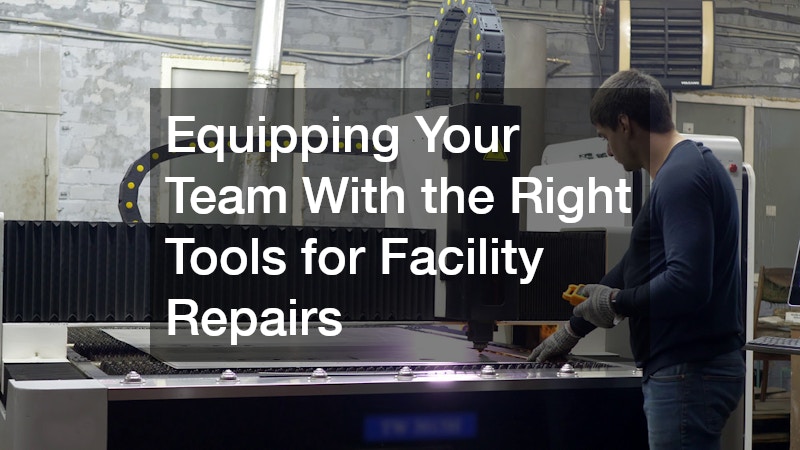
Startups that manufacture, build out retail space, or manage their own facilities benefit from having basic repair tools on hand rather than waiting on outside contractors for every small job. A modest kit covering drilling, fastening, and minor electrical work can resolve most day-to-day issues in-house, cutting both downtime and service call costs. Self feeding drills are particularly useful for teams running electrical or plumbing conduit through studs and joists, since they reduce binding and speed up repetitive drilling tasks significantly. Unlike standard bits, they use a screw-tip design that pulls the bit through wood automatically, which matters when a crew needs to bore dozens of holes for wiring or piping in a single afternoon. Pairing one with a right-angle drill attachment also makes it easier to work in tight joist bays or wall cavities where a full-size drill won’t fit. Beyond drilling equipment, it’s worth stocking basic diagnostic tools like a voltage tester and a stud finder, along with fasteners in common sizes so small fixes don’t stall waiting on a supply run. Investing in a few quality tools upfront, often in the $300 to $600 range for a starter set, tends to pay for itself within the first several projects by avoiding repeated contractor callouts.
For companies working with metal fixtures, signage, or security grates, having access to proper metal cutting equipment on-site avoids the delays and costs of outsourcing every small modification. A cracked bracket, a damaged grate, or a resized panel can often be handled same-day with the right saw or angle grinder on hand, rather than waiting days for a vendor quote and scheduled visit. That turnaround matters most when the repair affects storefront security or customer-facing areas. Before investing in equipment, take stock of the repairs your facility actually needs. A retail space with security grates might only need a portable angle grinder and cutting discs, while a business managing custom signage or metal shelving may benefit from a stationary band saw or plasma cutter. Budgeting a few hundred to a couple thousand dollars for the right tools is often cheaper than a single emergency service call, especially if that need recurs more than once or twice a year. Keeping these tools properly maintained and stored securely also ties back into your broader asset protection strategy, since tools themselves are frequent theft targets. Lockable cabinets, tool cribs, or even simple engraving and asset tagging can deter theft and make recovery easier if something does go missing. Regular maintenance checks, blade replacements, and calibration also extend equipment lifespan and reduce the risk of on-the-job injuries, which carries its own liability cost for a young company still building its safety record.
- Store power tools in locked cabinets, not open shelving, especially anything with a blade, motor, or resale value
- Label company-owned tools with an engraver or UV pen to deter internal theft or loss and simplify insurance claims if items go missing
- Train at least two employees on proper tool use and safety so repairs never stall because one person is out sick or on vacation
- Log tool checkouts with a simple sheet or app to track who has what and when it’s due back
- Keep replacement blades, bits, and filters stocked to avoid project delays waiting on a supplier
- Schedule quarterly inventory checks to catch worn or missing tools before they cause a bigger repair headache
Building an Annual Asset Protection Review Into Year Two Planning
The transition into year two is the right moment to formalize what was likely an informal, reactive approach to security and maintenance during year one. Set a recurring calendar reminder to review insurance coverage, safe inventory, camera footage retention, and vendor contracts all at once rather than piecemeal throughout the year. This annual audit habit becomes even more valuable as the company grows and asset values increase.
Involve at least one other team member in this review process so institutional knowledge doesn’t rest with a single founder. Documenting decisions and vendor relationships in a shared file also makes onboarding future operations staff considerably smoother.
- Set a fixed month each year for the full asset review
- Include insurance policy limits in the annual check
- Reassess vendor contracts for pricing and service quality
- Share documentation with at least one other trusted team member
Protecting your startup’s physical and financial assets doesn’t require a massive budget, just a deliberate plan built before problems arise. Start with the highest-risk gaps in your current setup, whether that’s an unmonitored entrance, an aging HVAC system, or reserves sitting without proper documentation. Taking these steps before year two gives your growing business a sturdier foundation to build on. A little preparation now can save far more time, money, and stress down the road.
