
Clearing out a warehouse sounds simple until you actually start pulling pallets, broken shelving, and years of accumulated junk out the loading dock door. Most first-time renters underestimate the volume, the labor, and the disposal restrictions involved, which is why final bills often come in well above the original estimate. Understanding where the hidden costs come from before you begin can save you hundreds or even thousands of dollars and a lot of frustration.
Underestimating the True Volume of Debris
Warehouses hide more debris than they appear to hold, especially in mezzanines, back corners, and vertical racking that goes unused for years. What looks like a manageable weekend project often turns into multiple truckloads once everything is actually pulled out and staged. This is the single biggest reason first-timers blow past their budget, since they book a dumpster rental sized on a quick visual guess rather than an actual accounting of materials.
Before requesting any pricing, walk the space and make a rough inventory of what needs to go, separating bulky items from loose debris. Photos help too, since a cluttered warehouse floor can look smaller in person than it actually measures once everything is broken down and stacked.
- Old pallets, shrink wrap, and packaging materials add up faster than expected
- Damaged shelving and racking take up more space once disassembled
- Dust, insulation, and construction debris often hide behind stored inventory
- Items stored in lofts or mezzanines are frequently forgotten during planning
Choosing a Container Size That Matches the Job
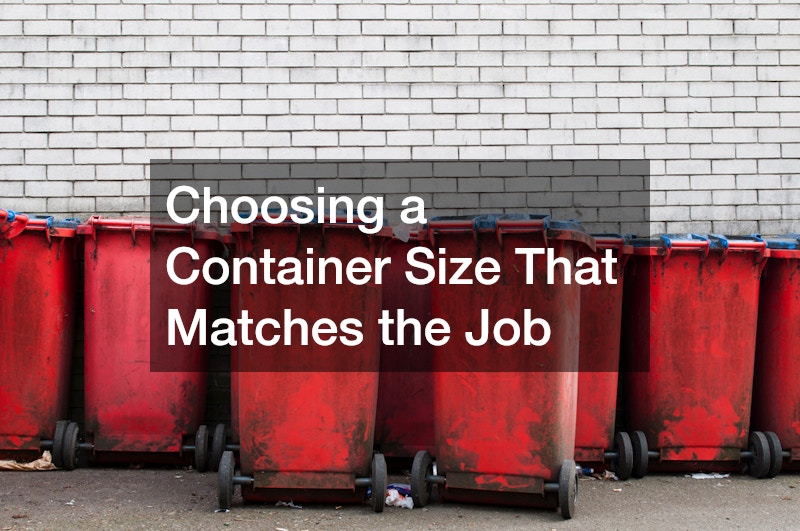
One of the fastest ways to overspend is guessing wrong on container size and needing a second haul-away later. A 15 yard dumpster rental works well for smaller cleanout projects, like clearing a single storage room or a modest amount of broken equipment and packaging waste. It is a popular starting point because it is easier to place in tight loading areas, but many warehouse projects generate far more volume than this size can comfortably hold.
Sizing up before you commit almost always costs less than paying for a second delivery fee and additional rental period. Contractors typically walk through expected debris types and volume with you to recommend the right fit, so it pays to be upfront about everything you plan to remove, including bulky racking and pallets that take up disproportionate space.
- Small offices or single-room cleanouts often fit a smaller container
- Mixed debris with bulky shelving usually needs more capacity than expected
- Ordering too small often means paying for a second trip
- Ordering too large wastes money on unused space
Weight Limits and Overage Fees You Did Not Expect
Many people assume the container price covers unlimited weight as long as the debris fits inside, but nearly every service agreement includes a weight cap, typically somewhere between 2 and 10 tons depending on container size. Heavier materials like metal shelving, concrete flooring scraps, or water-damaged wood can push a load over that limit surprisingly fast, since these items pack far more mass per cubic foot than typical office debris or cardboard. A single pallet of broken concrete or a stack of steel racking can weigh more than an entire dumpster’s worth of packaging waste, which catches many first-time renters off guard. Once you exceed the included tonnage, overage charges are billed per ton and can add a significant amount to your final invoice, often ranging from $50 to $100 or more per additional ton depending on your provider and region. It’s also worth noting that weight is calculated at the dump using certified scales, not estimated by eye, so there’s no room to negotiate after the fact. If your warehouse cleanout involves old machinery, filing cabinets, or building materials, it’s worth asking your provider for the weight limit in writing and requesting a second container or a heavier-duty option upfront rather than risking a surprise fee later.
Most dumpster and hauling contracts cap weight at a set tonnage, often somewhere between 1 and 3 tons depending on container size, and every pound past that limit gets billed as an overage fee. Those fees typically run $50 to $100 per additional ton, but warehouse cleanouts full of metal shelving, machinery parts, or pallets of paper stock can blow past the limit fast without looking like much volume-wise. A dumpster that appears half full can still be over its weight allowance if it’s packed with dense material. Reading the weight allowance in your contract before loading day helps you plan smarter, such as separating out heavier materials for a different disposal method if needed. Scrap metal, for instance, often has more value going to a recycler than staying in the dumpster load, which sidesteps the overage charge entirely and may even put a little money back in your pocket. Some providers offer weight estimates based on your item list, which gives you a chance to catch potential overage costs before they happen rather than after the bill arrives. It also helps to ask upfront how overages are billed, whether by the ton, by a flat surcharge, or by a per-pound rate, since providers vary widely. Getting that number in writing before the truck shows up keeps a surprise line item from turning your final invoice into a bigger headache than the cleanout itself.
- Metal racking and shelving are heavier than they look once loaded — a single disassembled pallet rack section can weigh 200-400 pounds, and a warehouse full of them adds up fast
- Wet or water-damaged materials add substantial weight, since soaked cardboard, insulation, or wood can double or triple their dry weight
- Concrete, brick, and tile debris are billed differently in many contracts, often at a separate per-ton rate instead of being folded into the general cleanout fee
- Electronics, old machinery, and pallets of unsold inventory can push a load over budget quietly, since their density is easy to underestimate
- Ask for the included tonnage limit before signing any agreement, and get the overage rate per ton in writing
- Request a breakdown of what counts as “heavy debris” versus standard waste, since definitions vary by vendor
- Have your hauler weigh or estimate the load before removal begins, not after, to avoid disputes over the final invoice
Permit and Placement Requirements for Commercial Properties
Warehouses often sit in commercial or industrial zones with different rules than residential neighborhoods, and placement location can trigger permit requirements you did not anticipate. If the container needs to sit on a public street, in a shared parking lot, or blocks a fire lane, your city may require a permit before delivery. Skipping this step can lead to fines or forced relocation of the container mid-project, both of which add unplanned cost and delay.
Property managers and landlords sometimes have their own placement rules as well, particularly in shared industrial parks where multiple tenants use the same lot. Confirming where the container can legally and practically sit, and for how long, avoids surprise fees that have nothing to do with the debris itself.
- Check whether your city requires a street or lot placement permit
- Confirm with your landlord or property manager before delivery day
- Ask about time limits on how long a container can remain on site
- Fire lanes and loading docks often have strict placement restrictions
Labor and Sorting Costs Beyond the Container Itself

The container is only part of the expense; someone still has to break down shelving, sort recyclable materials, and haul everything from where it sits to where the dumpster is placed. Many first-time renters plan for the equipment cost but forget to budget time and labor, whether that means hiring movers or pulling staff away from regular duties for several days. This labor gap is often where projects run over both budget and timeline.
Sorting also matters for cost control, since mixing recyclable metal or cardboard in with general debris can mean paying disposal rates for materials that could have been handled separately and sometimes even sold for scrap. Planning a sorting system before the roll off dumpster rental arrives keeps the crew organized and reduces wasted trips back and forth across the warehouse floor.
- Budget for labor hours separately from equipment rental costs
- Assign a point person to manage sorting and loading order
- Separate scrap metal, which may have resale value, from general debris
- Break down large shelving units before loading to save space and time
A first warehouse cleanout almost always costs more than the initial estimate, but most of that overage is predictable once you know where the hidden expenses hide. Walking the space carefully, choosing the right container size, checking weight limits, confirming permits, and planning labor in advance can bring your final bill much closer to your original budget. Take the time to get a detailed quote and ask specific questions before delivery day, and the whole project will run smoother and more affordably than you expected.
