
You can spend a fortune on interior renovations, staff training, and marketing, but customers form an opinion about your business before they ever walk through the door. Research on consumer behavior consistently shows that first impressions are made within seconds, and much of that judgment happens in the parking lot, on the sidewalk, or while glancing up at your building. If your exterior looks neglected, worn, or poorly maintained, potential customers may never give the inside a chance. This article walks through the exterior details that quietly shape how people perceive your business, and what you can do to make sure that first glance works in your favor.
The Roof Line Sends a Message Before Anyone Reaches the Door

A roof might seem like the last thing a customer notices, but sagging sections, streaked stains, or missing shingles are visible from the street and read as neglect. Even from a parking lot or sidewalk, these flaws catch the eye faster than most people realize, especially on single-story buildings where the roof line sits in plain view. People associate a well-kept roof line with a business that pays attention to detail throughout its operations, while a shabby one raises quiet doubts about what else might be overlooked inside. The damage doesn’t have to be dramatic to matter. Discoloration from algae or moss, a few curling shingle edges, or pooled water near the gutters are all small signs that add up in a viewer’s mind, even if they can’t name exactly what looks off. Studies on curb appeal consistently show that exterior condition shapes trust and perceived value before a single word is exchanged. Scheduling routine commercial roofing repairs before small issues become obvious eyesores helps protect that impression and prevents costlier damage down the road. A biannual inspection, ideally in spring and fall, can catch problems while they’re still cheap fixes rather than full replacements. Building owners who budget for this kind of maintenance tend to spend far less over time than those who wait for a leak or a customer complaint to force the issue.
Choosing the right professionals matters just as much as the timing. Reputable commercial roofing contractors will inspect flashing, drainage, and membrane wear, not just patch the visible problem, so the fix actually lasts through changing weather. A thorough inspection also checks the condition of seams, gutters, and downspouts, since even a small gap can let water creep in and cause damage that’s invisible from the ground. Contractors worth hiring will document what they find with photos and a written estimate, rather than a vague verbal promise to “take care of it.” It’s also worth asking how the fix is warrantied. A patch job with no guarantee often signals a short-term solution, while a one- to five-year warranty on materials and labor suggests the contractor stands behind the durability of the work. Cost matters too, but the cheapest bid isn’t always the best value. A slightly higher quote that includes a full inspection and proper sealing around vents and edges can save thousands in emergency repairs down the line.
- Look for granule loss or discoloration visible from ground level, especially dark streaks or bald patches on shingles
- Check gutters and downspouts for granule buildup, which often signals shingles are aging faster than expected
- Check for ponding water after rain, which signals drainage issues that can lead to leaks or structural damage over time
- Note sagging areas along the roofline, as these often indicate underlying deck or support problems
- Ask contractors for photo documentation of repairs, including before-and-after shots and close-ups of flashing and seams
- Request an itemized estimate alongside photos so you can verify the scope of work matches the cost
- Schedule inspections twice a year, ideally spring and fall, to catch damage from winter storms or summer heat
- Keep a simple maintenance log noting inspection dates, findings, and repairs to track the roof’s condition over time
Signage Quality Reflects Your Brand Before Customers Step Inside
A faded, flickering, or crooked sign tells passersby that nobody has checked on the business in years, even if the inside is immaculate. Signage is often the very first piece of branding a customer encounters, and it sets expectations for everything that follows. Working with experienced sign companies ensures lettering stays crisp, materials hold up to sun and rain, and the design still matches your current branding rather than an outdated logo from a decade ago.
Beyond aesthetics, visibility and legibility matter for practical reasons too. A sign that is hard to read from the road can cost you walk-in traffic entirely, regardless of how good your service is once someone arrives.
- Replace burnt-out letters or bulbs promptly
- Repaint or refinish faded panels every few years
- Confirm signage complies with local zoning and size regulations
- Update signage after any rebrand or logo change
Parking Lot Condition Shapes Perceived Professionalism
Potholes, faded lane markings, and cracked pavement are among the first physical details a visitor notices while pulling in, often before they even see the building’s façade or signage. A rough parking lot subtly suggests that maintenance is not a priority anywhere else in the business either, planting a seed of doubt before a single word is exchanged with staff. Studies on customer perception consistently show that people form judgments about a business within seconds, and exterior conditions weigh heavily in that snap assessment. The damage doesn’t have to be dramatic to register. Small cues like weeds pushing through asphalt seams, faded or missing handicap-space markings, and standing water after rain all signal neglect, even if the interior of the business is immaculate. Visitors rarely separate these details mentally; a shabby lot bleeds into assumptions about product quality, service standards, and even safety. Regular sealing, restriping, and prompt pothole repair go a long way toward reassuring customers that they have arrived somewhere well run. Most experts recommend resealing asphalt every two to three years and refreshing line paint annually, since faded markings create confusion and make a lot feel disorganized. Budgeting for these upkeep tasks as routine operating expenses, rather than emergency fixes, helps ensure the lot never becomes the reason a first-time visitor decides not to return.
Lighting is another piece of this puzzle that often gets overlooked until it becomes a safety issue. Dim or burnt-out lights make a lot feel unsafe after dark, which can quietly push evening customers toward a competitor with better visibility. The math on this is simple: a single burnt-out fixture can drop light levels in its coverage area by half or more, creating shadowed pockets where people instinctively feel more vulnerable. Most commercial lots need somewhere between one and three foot-candles of illumination for safe nighttime use, yet many businesses never actually measure this — they just assume the lights are working because a few of them still turn on. There’s also a maintenance pattern worth watching. Bulbs installed at the same time tend to fail in clusters, so a lot that looked fine six months ago can suddenly develop several dead zones within the same week. A quick weekly walkthrough at dusk, or a standing service contract that swaps bulbs proactively rather than reactively, catches this before customers do. Beyond bulbs, fixture placement and glare matter too. Lights that are too bright or poorly angled can create harsh glare or blind spots for drivers, which feels just as unsettling as too little light. The goal isn’t maximum brightness — it’s even, consistent coverage that lets people see clearly where they’re walking and confirm no one else is lurking nearby.
Comfortable Climate Control Starts With a Working System
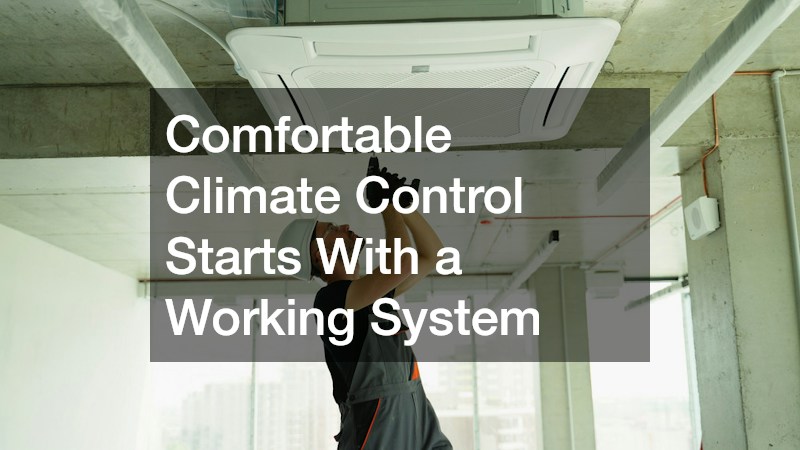
Nothing undoes a good first impression faster than walking into a lobby that is stifling in summer or freezing in winter. Customers rarely think about mechanical systems until something goes wrong, but a broken system becomes the only thing they remember about the visit. Investing in prompt commercial HVAC repair keeps indoor conditions steady and prevents the kind of complaints that show up in online reviews.
Preventive maintenance is far cheaper than emergency repair, and it also protects your exterior reputation indirectly. A business with visible steam pouring from a broken rooftop unit or a lobby door propped open because the air conditioning failed sends a message of disorganization before a customer even reaches the counter.
- Schedule seasonal tune-ups before peak heating or cooling months
- Replace filters on a consistent schedule
- Monitor thermostats remotely if multiple locations are involved
- Address strange noises or odors immediately rather than waiting
Landscaping Details Communicate Care at a Glance
Overgrown weeds, bare dirt patches, and dead shrubs are easy for a business owner to stop noticing over time, but customers see them fresh every visit. Clean, healthy landscaping signals that someone is paying attention to the property as a whole. Applying fresh commercial mulch around walkways and garden beds is one of the simplest, most affordable ways to instantly refresh the exterior appearance without a major renovation.
Landscaping upkeep does not need to be elaborate to be effective. Even modest, well-maintained greenery paired with clear walkways creates a welcoming feel that matches what customers hope to find inside.
- Trim shrubs and trees away from windows and entryways
- Refresh mulch beds at least once or twice a year
- Remove dead plants promptly rather than letting them linger
- Keep walkways clear of debris and standing water
Restroom and Septic Systems Affect Reputation More Than Expected
 For businesses that rely on well or septic systems rather than municipal sewer, a backup or odor problem can become an embarrassing and highly visible failure. Reliable commercial septic services keep these systems functioning quietly in the background, which is exactly where you want them to stay. Customers rarely think about plumbing until it fails, and when it does, the impression left behind is hard to shake.
Routine pumping and inspection schedules prevent the kind of emergency that closes a restroom or causes unpleasant smells near an entrance. Planning ahead for this maintenance protects both the property and the experience customers have while visiting.
Trade Show Displays Extend Your First Impression Beyond the Building
For many businesses, the first meeting with a potential customer or partner does not happen at the storefront at all, but at an industry event or convention. A custom trade show booth functions the same way your building exterior does, giving people an instant read on your professionalism and attention to detail before a single conversation happens. Cluttered, outdated, or poorly lit booths blend into the background, while a clean, well-designed setup draws people in.
The investment in a quality booth pays off across multiple events, not just one. Durable materials, clear branding, and thoughtful layout allow a business to make a strong impression repeatedly without starting from scratch each time.
- Prioritize clear branding visible from a distance
- Use lighting to highlight key products or messaging
- Choose durable materials that survive repeated setup and teardown
- Keep the layout open and easy to navigate
Diagnosing Recurring Exterior Problems Before They Repeat

When the same issue keeps showing up, whether it is a leaking roof section, a struggling HVAC unit, or a parking lot that cracks again after repair, it is worth stepping back and asking why. A proper failure analysis identifies the root cause rather than just patching symptoms repeatedly, saving money and frustration over time. This kind of investigation might reveal that a drainage problem is undermining pavement, or that ventilation issues are shortening the life of mechanical equipment.
Bringing in someone qualified to look at the bigger picture is especially useful before a major repair or replacement decision. Understanding the actual cause prevents businesses from spending money on the same fix repeatedly without ever solving the underlying issue.
- Document when and where the problem recurs
- Bring in a specialist rather than relying on guesswork
- Compare findings against manufacturer or installation records
- Use the findings to guide future maintenance contracts
Choosing the Right Partners for Long Term Exterior Upkeep
Maintaining a strong first impression is not a one-time project but an ongoing relationship with the right vendors and contractors. Selecting a dependable commercial roofing company for long term care means fewer surprises and more consistent results than switching providers every time an issue appears. The same principle applies to every exterior system, from lighting to landscaping to mechanical equipment.
A single, trusted commercial roofing contractor who understands the building’s history can spot developing problems long before they become visible from the parking lot. Building these relationships over time turns exterior maintenance from a reactive scramble into a predictable, manageable part of running the business.
- Ask for references and examples of long-term client relationships
- Confirm warranty terms before signing any maintenance contract
- Request a written maintenance schedule rather than informal check-ins
- Reevaluate vendor performance annually
The exterior of a business is never just a backdrop, it is an active part of the sales pitch, whether the owner realizes it or not. Small, consistent investments in roofing, signage, parking, climate control, landscaping, and other visible systems add up to a first impression that works in your favor rather than against it. Start with a simple walk around your own property and look at it the way a first-time visitor would. Addressing even one or two neglected details this month can shift how customers perceive your business before they ever say a word.
