
A major renovation is a transformative milestone in the lifecycle of any commercial property. Whether you are repositioning an aging asset to attract premium tenants, upgrading a facility to meet modern environmental standards, or expanding an industrial site to accommodate new technology, the process is a complex puzzle of logistics, engineering, and financial management. The success of such an undertaking is rarely decided during the construction phase itself; rather, it is won or lost during the months of preparation that precede the first swing of a hammer.
Preparing for a renovation requires a shift in mindset from daily operations to project management. It involves a granular understanding of the building’s current state, a clear vision of its future utility, and a robust plan to mitigate the inevitable disruptions to business continuity. This guide provides a comprehensive roadmap for navigating the pre-construction phase, ensuring that your facility is ready for a professional overhaul that stays on schedule and within budget.
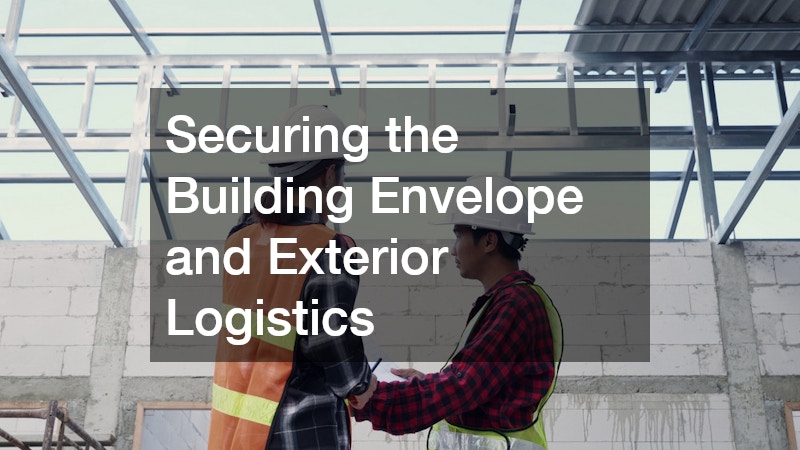
Securing the Building Envelope and Exterior Logistics
Before any interior improvements can begin, the building must be “tight.” There is little point in investing in high-end finishes or sensitive technology if the exterior shell of the building is compromised. The first step in the preparation process is a top-down assessment of the building’s primary barriers. Water infiltration is the most common cause of mid-renovation delays, as it can ruin new materials and lead to mold issues that halt work for weeks.
A primary partner in this phase is a qualified commercial roofing contractor. They should perform a comprehensive audit of the roof’s life expectancy, checking for structural sagging, membrane integrity, and drainage efficiency. Simultaneously, you must look at the “skin” of the building. Aging facades often suffer from poor thermal performance and moisture wicking. Modernizing these areas through local commercial siding services can drastically improve the building’s curb appeal while providing a new layer of rigid insulation that lowers the building’s carbon footprint. Addressing these exterior needs early ensures that the interior workspace remains protected throughout the remainder of the renovation.
Actionable Exterior Prep Tips:
-
Conduct a Moisture Survey: Use infrared thermography to find trapped water in the walls or roof before you begin interior demolition.
-
Clear the Perimeter: Ensure there is a 10-foot “clear zone” around the building for scaffolding and material delivery.
-
Inspect the Substrate: Ensure that the underlying wall structures are sound enough to support modern, heavier cladding systems.
Managing Energy Infrastructure and Fuel Transitions
Renovations often involve a significant change in how a building consumes energy. If you are converting a warehouse into a commercial kitchen or a laboratory, your existing gas and electric lines will likely be insufficient. One of the most critical logistical hurdles is ensuring that the building’s fuel supply can handle the new load. If natural gas lines are unavailable or too costly to extend, many managers opt for a professional commercial propane installation to provide a reliable, independent energy source for heating and specialized equipment.
Furthermore, a renovation site is a high-energy environment. You must coordinate with your commercial fuel service to ensure that on-site generators and heavy machinery have a constant supply of fuel. This prevents downtime and ensures that the climate control systems can remain active, which is essential for curing paint, drywall mud, and flooring adhesives. Planning these utility transitions months in advance prevents the “bottleneck” effect where construction stalls because the power or gas isn’t yet live.
Utility Planning Checklist:
-
Load Calculation: Work with an engineer to determine if your new equipment exceeds current utility capacity.
-
Temporary Power: Establish where generators will be placed to minimize noise and exhaust interference with neighbors.
-
Storage Compliance: Ensure any new fuel storage tanks meet local fire marshal and environmental regulations.
Interior Surface Revival and Equipment Calibration
Once the building is secure and the power plan is in place, the focus turns to the interior. A modern renovation often seeks to balance the preservation of character with the need for high-performance surfaces. In many older buildings, the original concrete or terrazzo floors are hidden under layers of old carpet or linoleum. Rather than replacing them, a strategic commercial floor restoration can grind away decades of wear to reveal a durable, high-luster surface that is both sustainable and aesthetically striking.
As the surfaces are being revived, the building’s internal hardware must be evaluated. If the renovation involves a retail or office space with existing kitchenettes or laundry facilities, you must decide what to salvage. Scheduling commercial appliance repairs during the pre-construction phase allows you to determine if older units are worth keeping. If a walk-in cooler or industrial oven can be refurbished to modern efficiency standards, it can save thousands in the capital budget that can then be reallocated to architectural flourishes.
Interior Readiness Tips:
-
Inventory All Assets: Tag every piece of equipment as “Keep,” “Refurbish,” or “Dispose.”
-
Protect the Finishes: Ensure that any floors being restored are immediately covered with protective board to prevent staining from construction traffic.
-
Test the Grid: Verify that the electrical panels are labeled correctly before the demo crew begins cutting wires.
Specialized Industrial Systems and Structural Enhancements
For facilities that serve the manufacturing or technical sectors, a renovation often includes the integration of highly specialized processes. If your facility requires precision metalwork or component hardening, you may need to design a dedicated zone for a commercial heat treating service. These areas require specific ventilation, fire suppression, and reinforced floor slabs to handle extreme temperatures and heavy weights.
This specialized work must be integrated into the broader plan for the building’s infrastructure. For instance, the roof must be designed to accommodate the heavy-duty exhaust fans and flues associated with industrial processes. Modern commercial roofing services now offer integrated solutions where curbs and penetrations are flashed into the membrane using advanced liquid-applied resins, ensuring that even a roof with twenty different vents remains completely watertight. Coordinating these structural penetrations before the new roof is installed is much more cost-effective than cutting into a finished surface later.
Technical Integration Steps:
-
Vibration Analysis: If you are adding heavy machinery, ensure the vibrations won’t affect sensitive office equipment elsewhere in the building.
-
Specialized Ventilation: Design “make-up air” systems to ensure the building maintains neutral or positive pressure when industrial exhausts are running.
-
Reinforcement: Check if the building’s steel or concrete columns need “jacketing” to support new rooftop equipment.
Finalizing Aesthetics and Waste Management Logistics
The final stage of preparation involves the “finishing” details that dictate how the space will feel to its eventual occupants. In modern commercial design, glass is a primary material for both interior partitions and exterior storefronts. However, high-glass designs can lead to glare and heat gain. Incorporating custom commercial glass door shades into the design phase allows for integrated light control that doesn’t clutter the architectural lines. These should be measured and ordered early, as custom commercial window treatments often have long lead times.
Finally, you must plan for the “exit” of the old building. A major renovation generates a massive amount of debris, from old drywall and ceiling tiles to scrap metal and wood. Setting up a reliable commercial dumpster rental program is essential for site safety and efficiency. A cluttered site is a dangerous site; having dedicated containers for different types of waste not only keeps the project moving but can also help you earn LEED certification points for construction waste diversion.
Final Logistics Checklist:
-
Order Early: Place orders for long-lead items like specialized glass, lighting, and HVAC components at least 16 weeks out.
-
Waste Stream Management: Designate a specific area of the parking lot for dumpsters that doesn’t block emergency access.
-
Communication Plan: Notify all neighbors of the construction schedule, especially regarding noise or road closures.
Conclusion
Preparing a commercial building for a major renovation is an exercise in foresight. By addressing the building envelope, energy infrastructure, and specialized interior needs before the primary work begins, you create a foundation for success. The goal is to eliminate surprises; while no construction project is entirely without challenges, the property manager who has meticulously planned their fuel services, roofing needs, and waste logistics will be far better equipped to handle them. A well-prepared renovation doesn’t just result in a beautiful new building—it results in a more resilient, efficient, and valuable asset that will serve its owners and tenants for many years to come.
