
Introduction
Owning or managing a property—whether a single-family home, multi-unit building, or commercial facility—requires more than reactive fixes. Buildings are complex systems exposed daily to weather, wear and tear, occupancy demands, and environmental pressures. Without a strategic approach, minor issues can escalate into major structural damage, operational interruptions, or health and safety hazards.
Effective property management is about implementing a coordinated plan that safeguards structural integrity, maintains functionality, and enhances long-term value. Well-maintained properties attract high-quality tenants, reduce insurance premiums, minimize unplanned expenses, and improve energy efficiency. Proactive care also preserves aesthetics, strengthens structural components, and ensures that emergency interventions are minimized.
This guide explores essential property maintenance and improvement strategies, covering water systems, roof repairs, septic care, pools, paved surfaces, metal roofs, and more. It provides actionable tips, warning signs to monitor, and professional guidance for homeowners and property managers alike. By following these practices, you can protect your investment, reduce costs over time, and maximize property performance and curb appeal.
Ensure Reliable Water Flow and Pump Efficiency
Water systems are the lifeblood of any property, supporting daily life, plumbing, heating, and landscaping needs. Inefficient water delivery or failing pumps can lead to low pressure, interrupted service, and damage to appliances and structures.
Signs of water pump inefficiency or failure include reduced water flow, unusual noises, cycling issues, or frequent pressure drops. These issues often precede more serious mechanical failures, making early intervention critical.
Maintenance strategies for water pumps and connected systems include:
- Scheduling routine inspections to check seals, bearings, impellers, and electrical connections
- Cleaning intakes, strainers, and filters to ensure proper flow
- Lubricating moving parts where applicable
- Monitoring pressure levels and temperature readings to detect abnormal operation
Integrating water heater services into water system maintenance ensures consistent hot water supply. Recommended practices include:
- Flushing tanks annually to remove sediment buildup
- Inspecting and replacing anode rods to prevent corrosion
- Testing temperature and pressure relief valves for safety
- Considering energy-efficient tankless systems for long-term savings
By combining water pump services with regular water heater maintenance, property owners can reduce emergency plumbing calls, extend equipment lifespan, and improve energy efficiency.
Prevent and Repair Water Damage Effectively
Water damage is one of the most costly and disruptive property issues. Leaks, floods, or hidden plumbing failures can compromise walls, floors, ceilings, and structural components long before visible signs appear. Timely intervention is crucial to prevent mold growth, wood rot, and deterioration of insulation and electrical systems.
Key prevention strategies include:
- Regular roof inspections to catch leaks early
- Proper grading and drainage to channel water away from foundations
- Installing leak detection sensors and automatic shutoff valves
Signs that immediate attention is needed include discoloration, warped surfaces, water pooling, mold growth, or persistent musty odors.
Partnering with a water damage restoration company is essential for mitigating serious problems. A professional team can:
- Quickly assess the affected areas and remove standing water
- Use dehumidifiers and air movers for proper drying
- Perform mold remediation and sanitation to prevent health hazards
- Repair or replace damaged structural components efficiently
Coordinating preventative water maintenance with plumbing and pump services creates a holistic approach to property protection, reducing the risk of major water emergencies.
Extend Roof Lifespan Through Proactive Care
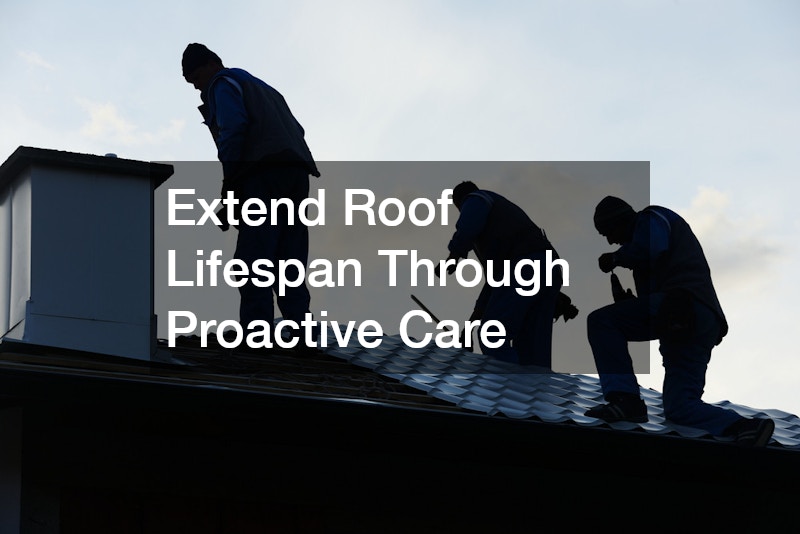
Roofs are critical for protecting properties from the elements. They endure sun, rain, wind, snow, and temperature swings, all of which contribute to material degradation over time. Early detection of issues prevents secondary damage to ceilings, insulation, and interior finishes.
Common warning signs that roof repair is needed include:
- Curling, cracked, or missing shingles
- Sagging roof decking or blistered membranes
- Rusted metal panels
- Interior water stains or damp insulation
Preventative strategies include:
- Cleaning gutters and downspouts to maintain proper drainage
- Reinforcing flashing around penetrations such as chimneys and vents
- Applying reflective coatings or sealants to metal surfaces to reduce thermal stress
- Conducting infrared scans to detect hidden moisture beneath roofing layers
Professional roofing contractors can perform routine inspections and address minor issues before they require full-scale replacement. Benefits include extended roof lifespan, improved energy efficiency, reduced emergency costs, and maintained property aesthetics.
Maintain Healthy Septic Systems
Septic systems are vital for managing wastewater, but they require regular attention to prevent backups, contamination, and environmental hazards. Signs of septic system issues include slow drains, foul odors near the tank or drain field, patches of unusually lush grass, and sewage surfacing in low-lying areas.
Preventative care includes:
- Scheduling septic tank services like periodic inspections and pumping with a septic pumping company
- Checking baffles, pipes, and the drain field for blockages or damage
- Monitoring water usage to avoid overloading the system
- Limiting harsh chemicals that disrupt bacterial action
Routine maintenance ensures proper system function, reduces the risk of costly emergencies, and protects surrounding soil and groundwater. Property owners who neglect septic care often face expensive repairs, property damage, and long-term environmental consequences.
Plumbing Infrastructure and Water Heater Maintenance
Reliable plumbing is essential for daily operations, sanitation, and safety. Neglecting plumbing maintenance can lead to leaks, water damage, mold growth, and higher utility bills.
A licensed plumber should perform regular inspections of:
- Supply lines and shutoff valves
- Drainage systems, traps, and vent stacks
- Pipe integrity, including corrosion and mineral buildup
- Fixture connections and sealing
Water heater services are equally important for maintaining a steady supply of hot water. Best practices include:
- Flushing tanks annually to remove sediment
- Inspecting anode rods for corrosion
- Testing temperature and pressure relief valves
- Considering modern, energy-efficient tankless options
Routine plumbing and water heater maintenance reduce emergency repair costs, protect indoor air quality, and increase the lifespan of all water-related systems.
Keep Pools Safe, Clean, and Operational
Pools provide recreational benefits and add significant property value, but maintaining a pool requires consistent, diligent care to ensure safety, functionality, and water quality. Neglecting routine maintenance can lead to a host of problems, including algae blooms, chemical imbalances, equipment failure, and even waterborne illnesses. Pools that are not properly maintained can also reduce the lifespan of pool surfaces, pumps, and filters, leading to expensive repairs or early replacement.
Best practices for pool maintenance include:
- Skimming debris, vacuuming, and brushing pool surfaces regularly to prevent algae and dirt accumulation
- Monitoring and adjusting chemical levels, including pH, chlorine, alkalinity, and stabilizers, to maintain a safe swimming environment
- Inspecting pumps, filters, heaters, and circulation systems to ensure proper operation
- Checking water circulation patterns and adjusting as needed to avoid dead zones that encourage bacteria growth
- Seasonal winterization and reopening to prevent freeze damage, protect equipment, and prepare for peak usage
Pool contractors can provide professional inspections, repairs, and maintenance programs that ensure compliance with safety regulations, improve water quality, and reduce long-term repair costs. Beyond routine cleaning, professional services may include:
- Leak detection and repair to prevent water loss and structural damage
- Automation upgrades for pumps, filters, and lighting systems
- Energy-efficient equipment recommendations to reduce utility costs
- Tile, coping, and deck maintenance to preserve aesthetic appeal and safety
Property owners can also benefit from integrating smart monitoring systems that track chemical levels, water temperature, and pump operation. These systems provide alerts for abnormal conditions, helping homeowners address issues before they escalate. Additionally, proper landscaping around the pool area—such as strategic planting to reduce debris—can reduce maintenance frequency and protect water quality.
Regular pool care not only ensures safety and compliance but also extends the life of pool equipment, enhances enjoyment, and preserves property value. A well-maintained pool becomes a long-term asset rather than a liability.
Protect Outdoor Surfaces and Enhance Curb Appeal
Driveways, walkways, patios, and other paved surfaces play a critical role in property safety, functionality, and aesthetics. Uneven, cracked, or eroded surfaces can pose hazards to residents and visitors, accelerate material deterioration, and negatively impact curb appeal. Routine care keeps surfaces safe and extends the life of paving materials.
Routine maintenance tasks include:
- Filling cracks and resurfacing worn areas to prevent water infiltration and further damage
- Grading surfaces to ensure proper drainage away from foundations and landscaped areas
- Inspecting paved surfaces seasonally for erosion, settlement, or wear, particularly after winter freeze-thaw cycles
A paving company can ensure professional installation, durable repair, and long-term surface longevity. Services may include:
- Asphalt or concrete sealing to protect against UV damage, water infiltration, and surface wear
- Custom grading and slope design to optimize drainage and prevent puddling
- Expansion and resurfacing solutions for high-traffic areas
- Decorative finishes, stamped patterns, or interlocking pavers for aesthetic appeal
Additionally, paved surface maintenance can be integrated with landscaping improvements to enhance overall property functionality. For instance, proper edging and joint sealing can prevent weed growth between pavers, while strategic drainage solutions protect both paved areas and adjacent structures. Regular upkeep reduces liability from slip-and-fall hazards and ensures that driveways and walkways remain welcoming and visually appealing.
Well-maintained paved surfaces not only protect property value but also improve usability and safety for occupants and guests. A thoughtful, professionally managed paving program minimizes long-term repair costs and maximizes the visual impact of outdoor spaces.
Integrate Metal Roof Repair with Overall Exterior Maintenance
Metal roofing offers durability, energy efficiency, and aesthetic appeal, but it requires specialized attention to prevent leaks, rust, and structural issues. Routine inspections and timely repairs can significantly extend the life of a metal roof while protecting interior spaces from water damage.
Key maintenance steps include:
- Inspecting panels for dents, loose fasteners, rust, and other signs of wear
- Repairing small leaks promptly before they escalate into larger problems
- Coordinating with exterior painting, gutter maintenance, and siding inspections to prevent water intrusion
- Cleaning roof surfaces to remove debris, leaves, and sediment that can trap moisture and accelerate corrosion
- Checking sealants and flashings around penetrations, including vents, chimneys, and skylights
Professional metal roof repair services may also recommend:
- Recoating or painting to enhance weather resistance and prolong lifespan
- Reinforcing fasteners or replacing damaged panels to maintain structural integrity
- Installing snow guards, ice barriers, or protective membranes in areas prone to severe weather
A proactive metal roof maintenance plan ensures the property remains protected, reduces the frequency of emergency repairs, and preserves the aesthetic appeal of the building. Coordinating roof care with gutter, siding, and exterior painting projects can also reduce overall maintenance costs by consolidating labor and materials.
Create a Comprehensive Property Maintenance Schedule
Coordinating all property maintenance activities ensures systems work together efficiently, reduces emergency interventions, and prolongs asset life. A comprehensive maintenance schedule integrates water systems, plumbing, roofing, septic, pools, paving, and exterior care to create a cohesive, long-term strategy.
Key strategies include:
- Creating an annual maintenance calendar covering inspections, seasonal tasks, and preventive work
- Assigning responsibilities to specific team members or contractors for each system
- Integrating seasonal adjustments for landscaping, irrigation, and water-related services
- Tracking service history, warranties, and upcoming work for accountability and informed budgeting
Benefits of a cohesive maintenance plan include:
- Reduced emergency repair costs and unplanned downtime
- Extended lifespan of structural components, mechanical systems, and paved surfaces
- Enhanced safety, occupant satisfaction, and property usability
- Improved property value, curb appeal, and long-term investment performance
Property owners who adopt a structured maintenance approach can proactively address minor issues before they become costly repairs. Integrating all systems into a single plan—combined with professional contractor support—ensures each component functions optimally, while maximizing the efficiency of labor and financial resources.
A comprehensive schedule also allows for strategic upgrades and replacement planning. For instance, scheduling roof inspections alongside gutter cleaning or paving resurfacing can reduce disruption and consolidate costs. Similarly, combining pool maintenance with water system checks ensures water quality, safety, and operational efficiency.
By managing property maintenance holistically, homeowners and property managers maintain control over system performance, safeguard long-term value, and ensure that the property remains safe, functional, and visually appealing year-round.
Conclusion
Proactive property maintenance is the foundation of protecting investments, preserving value, and ensuring safety and functionality. By focusing on key systems—including water services, pools, paving, metal roofing, plumbing, and septic care—property owners can prevent costly emergencies, extend the life of major components, and enhance aesthetics.
Regular inspections, preventative maintenance, and coordination with qualified professionals—including plumbers, roofing contractors, pool contractors, paving companies, and water damage restoration teams—create a comprehensive strategy that balances operational efficiency with long-term financial returns.
Integrating these strategies into a structured annual plan allows homeowners to anticipate potential issues, budget effectively, and maintain control over property performance. With careful attention to all critical systems, a property can remain safe, efficient, and visually appealing for years, protecting both its structural integrity and market value. Proper planning also fosters peace of mind, knowing that every aspect of a property is monitored, maintained, and optimized for long-term success.
