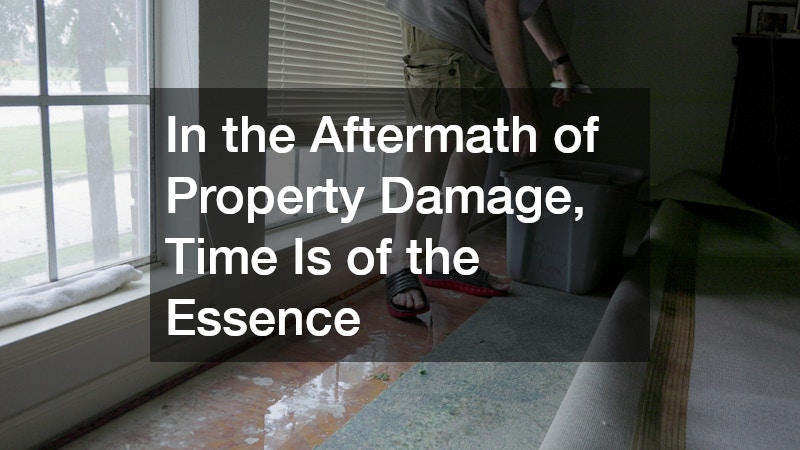
In the aftermath of property damage, time is of the essence. Immediate action is paramount to mitigate further loss, ensure personal and community safety, and initiate the restoration process. Whether the damage results from natural disasters, fire, or plumbing failures, the first 24 hours can significantly influence the overall outcome of recovery efforts. Taking swift actions not only minimizes additional harm but also sets the stage for a well-coordinated restoration, preventing more extensive and costly repairs down the line. Awareness and preparedness can transform these crucial moments into decisive steps toward recovery.
Addressing property damage effectively requires a strategic approach. Understanding the extent of the damage helps prioritize actions, allocate resources efficiently, and engage the right professionals for help. Furthermore, ensuring safety is non-negotiable; unstable structures, electrical hazards, and potential health risks need careful navigation. By adopting a structured response plan, you safeguard assets and reduce the emotional and financial toll of disaster recovery. Informed decisions lead to faster, more thorough restorations, lessening the disaster’s overall impact.
Proactive planning and execution form the bedrock of effective disaster response. Familiarizing oneself with essential steps, from initial assessment to securing professional assistance, empowers property owners in their most vulnerable moments. Recognizing the intertwined nature of these actions propels the restoration journey forward, emphasizing the importance of every decision made. By conscientiously following a comprehensive recovery plan, property owners can minimize future risks and embrace a path toward resilience and renewal.
How to Assess Property Damage Safely and Effectively
Before you undertake any process of damage assessment, prioritize your safety and that of your family. It’s vital to ensure that environments are safe to enter. Fires may have caused unseen structural failures, and floods may conceal electrical hazards. Use protective clothing and equipment, such as helmets, masks, and gloves, to avoid injuries and exposure to harmful substances. Remain cautious of debris, and never attempt to reenter severely damaged structures without professional clearance. Your safety should be the first consideration in any emergency response scenario.
Assessing the extent of property damage requires a methodical approach. Start by documenting visible destruction through photographs and notes, as these will serve as vital records for future insurance claims and repair planning. Evaluate foundational aspects, roofing, walls, and interior structures for signs of compromise. Pay close attention to hidden damage in areas like basements or attics, as they can escalate if not addressed promptly. Accuracy during this initial assessment aids in estimating repair costs and determining immediate remediation needs.
Emotional turmoil may accompany material loss, yet clear-headed decision-making is crucial. Engage neighbors or community members if unsure about safety and press the importance of a thorough appraisal. Comprehensive evaluations allow for tailored responses, ensuring that all aspects of damage are addressed rather than just visible destruction. Following this systematic assessment, informed decisions on repairs, professional assistance, and potential hazards can be made, setting a foundation for an effective restoration process.
Who to Contact First for Professional Help
In the immediate aftermath of property damage, reaching out to the right contacts is crucial. Start with emergency services if you suspect or witness potential hazards like gas leaks or downed power lines. Their intervention ensures public and personal safety, mitigating immediate risks. Simultaneously, contact your insurance company to initiate a claim process, providing them with initial photos and damage descriptions to expedite their evaluation and response. Establishing this communication opens channels for financial recovery, guiding subsequent restoration decisions.
Disaster restoration specialists should be among your next contacts. These professionals possess the expertise, tools, and experience to handle a broad spectrum of property damage scenarios. They provide more than just physical restoration, offering valuable insights, strategy formulation, and support throughout the aftermath of disasters. Choose a reputable company that specializes in your specific type of damage; their specialized knowledge ensures quality results and prioritization of work according to urgency, thereby preventing additional damage.
Your local contractors or builders may also serve as an essential resource. While restoration experts focus on immediate cleanup and stabilization, contractors oversee further reconstruction and remodeling. Building networks and having these contacts available ensures streamlined efforts in restoring normalcy. Communicate regularly with all professionals involved, as coordinated planning and execution ease the transition from emergency response to long-term recovery, aiding in efficient and swift property rehabilitation.
Immediate Actions to Prevent Further Damage
Once safety and professional help are secured, focus on preventing further damage. Begin by securing entry points like windows and doors to prevent weather-related intrusions, vandalism, or additional animal ingress. In cases of water damage, promptly address the source, whether it’s a broken pipe or roof leak, to minimize prolonged exposure and subsequent damage. Dry out affected areas using fans and dehumidifiers, preventing mold and mildew growth, which can pose health risks and complicate future restoration.
Hazardous materials, including chemical spills or damaged asbestos, require careful handling. Avoid direct contact, isolating these areas to prevent health risks until professionals can address them. If safe, remove valuable items and personal belongings from impacted areas, reducing emotional and financial loss while facilitating restoration work. Collectively, these actions preserve undamaged property and accelerate recovery, emphasizing strategic responses tailored to specific damage types.
Utilize community resources and assistance where available. Financial burdens can be overwhelming, but leveraging local government aid and non-profit support provides temporary relief while combating further damage. Engaging with community networks fosters cooperation and solidarity during recovery, highlighting shared challenges and solutions. Taking these proactive measures fortifies your property against ongoing threats, ensuring a safer, more efficient restoration process.
Conclusion
The first 24 hours following property damage encompass critical actions that dictate the course of restoration and recovery. By prioritizing safety, conducting detailed damage assessments, and engaging with professionals, property owners can navigate the complex path to rebuilding. Each step, although challenging, lays the groundwork for comprehensive recovery and minimizes the lasting impact of disasters.
Remaining proactive, informed, and organized sets the tone for a streamlined recovery process. Immediate actions to prevent further damage, coupled with strategic professional engagement, form the backbone of effective disaster response. The journey towards restoration demands resilience, adaptation, and an overarching sense of preparation.