
Key Takeaways:
- Opening a cafe costs between $80,000 and $300,000, with most independent owners landing around $150,000 to $200,000 — a range driven by location, space condition, and concept type.
- Your space and build-out is your biggest expense, often running $75 to $150 per square foot for a raw shell, though taking over an existing cafe space can cut total costs by $30,000 to $100,000.
- Working capital is non-negotiable — you need three to six months of operating reserves ($45,000 to $150,000) set aside before opening, since most cafes take 18 to 36 months to break even.
- Labor is your largest ongoing cost, typically eating up 35% to 45% of total operational expenses, which makes smart scheduling and staffing decisions critical from day one.
- Profit margins are thin — independent cafes average a 6% to 8% net margin, so diversifying revenue through food, catering, retail, or events is key to building a sustainable business.
- Undercapitalization, not bad coffee, is the leading cause of failure — 50% to 75% of independent coffee shops close within five years, mostly because owners run out of money before they find their stride.
- Second-gen spaces, used equipment, and a focused opening menu are among the smartest cost-control moves available, capable of shaving tens of thousands off your startup budget without sacrificing quality.
So you’ve been thinking about opening a cafe. Maybe it started with one too many overpriced lattes, or maybe you’ve always dreamed of building a little corner of the world where people gather, slow down, and actually talk to each other. Either way, the dream is real — and so are the numbers behind it.
Opening a cafe in 2026 is absolutely doable, but it’s not cheap, and the costs have only gotten more layered in recent years. Between inflation, rising equipment prices, tighter labor markets, and increasingly picky customers, you need to go in with a clear-eyed budget before you sign a single lease. This guide walks you through every major cost category, the ranges you can realistically expect, and the decisions that will shape how much you actually spend.
What’s the Total Cost to Open a Cafe in 2026?
Let’s start with the number everyone wants to know. According to Bellwether Coffee, starting a coffee shop typically costs between $80,000 and $300,000, with most owners landing around $150,000 to $200,000 before they serve a single drink. That’s the range for a standard independent cafe — not a kiosk, not a multi-location roastery, just a solid neighborhood spot with seating, an espresso bar, and a real menu.
The wide range isn’t vague — it reflects genuinely different business models. A coffee kiosk or cart can open for as little as $25,000 to $75,000. A drive-thru concept runs $100,000 to $200,000. A full-service sit-down cafe in a mid-size city typically falls between $150,000 and $250,000. If you’re opening in a major metro, adding a robust food program, or building out a raw, unfinished space, you could be looking at $300,000 to $400,000 or more.
That’s a massive range, and it’s why “how much does it cost to open a cafe?” doesn’t have a single clean answer. The honest answer is: it depends on your format, your location, your space, and the choices you make at every step of the process.
The Biggest Cost: Your Space and Build-Out
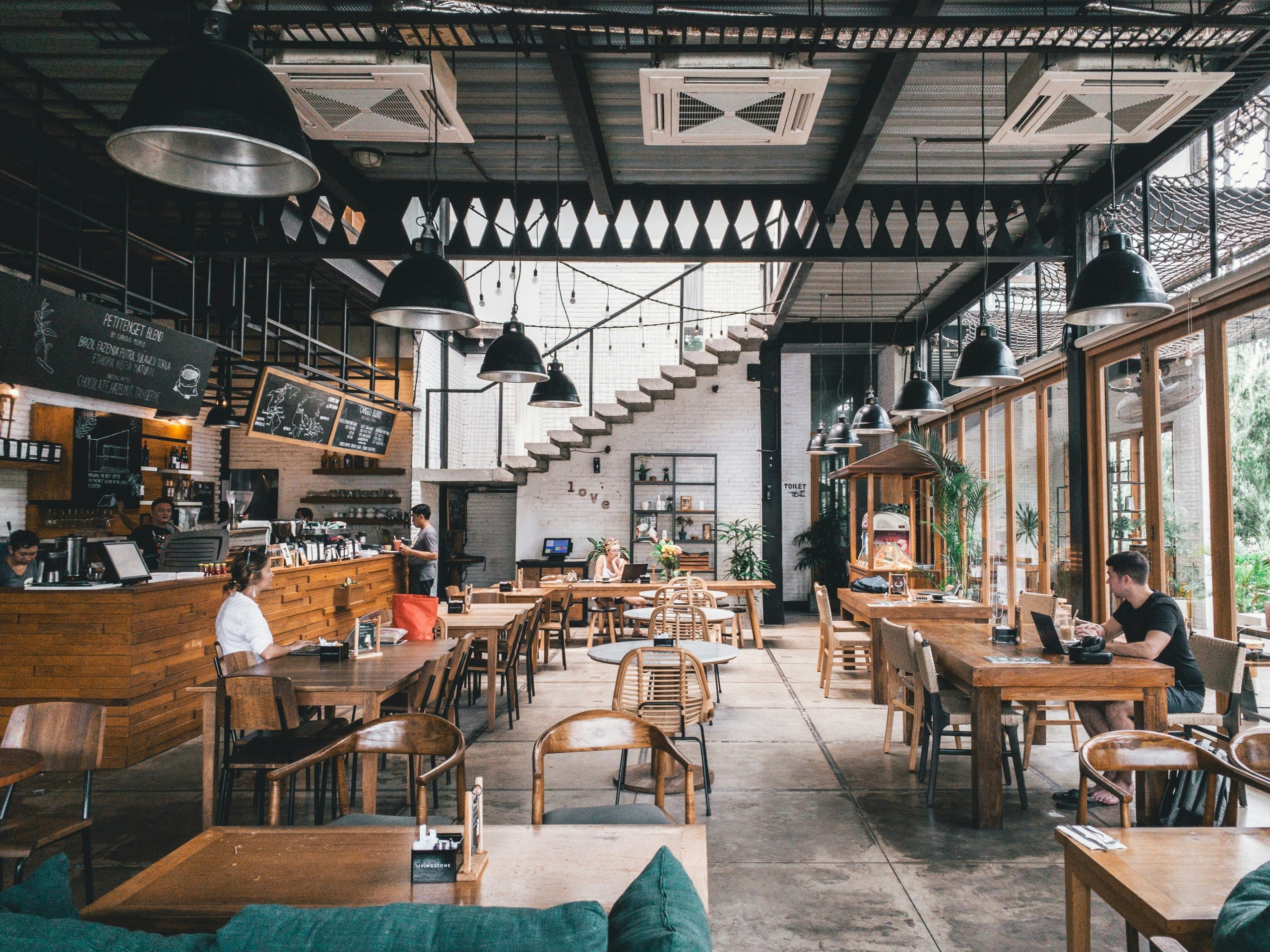
Your physical space will almost certainly be your single largest upfront expense, and it comes with several layers that are easy to underestimate if you’re new to this.
Rent and deposits are the first hit. Before you even start renovating, most landlords will ask for first and last month’s rent plus a security deposit equal to one to three months of rent. If you’re paying $4,000 a month in rent, that’s $16,000 to $20,000 before you’ve touched a hammer.
Leasehold improvements, also called build-out costs, cover everything from plumbing and electrical work to flooring, walls, lighting, and the physical layout of your space. These vary wildly depending on the condition of the space you’re starting with:
- A turnkey space (already set up as a cafe or restaurant) can reduce your build-out costs dramatically — sometimes by $30,000 to $100,000
- A second-generation space (previously used as food service) will need updates but has some infrastructure in place
- A vanilla shell or raw commercial space is the most expensive option, with build-out costs ranging from $75 to $150 per square foot
For a 1,000-square-foot cafe in a raw space, that’s $75,000 to $150,000 just for the build-out — before equipment, furniture, or inventory. Taking over an existing cafe space is one of the smartest ways to control costs if you can find one that fits your concept.
How Much Does Cafe Equipment Actually Cost?
Equipment is the second-largest budget item for most new cafe owners, and it’s the one people tend to get both excited and confused about. Here’s a realistic breakdown of what you’re looking at:
- Commercial espresso machine: $5,000 to $25,000 (specialty-grade machines from brands like La Marzocco or Slayer sit at the top of that range)
- Espresso grinders: $1,500 to $4,000 per grinder (you’ll likely need at least two — one for espresso, one for single-origin or batch)
- Commercial refrigeration: $4,000 to $10,000
- Brewing equipment (batch brewers, pour-over stations, cold brew setup): $2,000 to $5,000
- Blenders: $500 to $2,000
- POS system: $1,000 to $5,000 for hardware and setup, plus ongoing software fees
- Smallwares and barware (pitchers, tampers, cups, utensils, storage): $2,000 to $5,000
In total, expect to spend $20,000 to $65,000 on equipment for a standard espresso-focused cafe. If you’re adding a full kitchen for food service, that number climbs significantly — commercial ovens, prep tables, hood systems, and dishwashers can add $30,000 to $50,000 or more.
One option worth considering is equipment leasing rather than buying outright. Leasing reduces your upfront capital requirement, which can be a lifeline when you’re trying to stretch a tight budget. The tradeoff is a monthly payment that adds to your operating costs — typically $500 to $2,500 per month depending on what you’re leasing.
Permits, Licenses, and the Paperwork Nobody Tells You About
This is the unsexy category that first-time cafe owners consistently underestimate. Before you open your doors, you’ll need a stack of approvals, and each one comes with a fee and a timeline.
Here’s what most cafes need to budget for:
- Business license: $50 to $500 depending on your city or county
- Food service establishment permit: $100 to $1,000
- Health department inspection and permit: $200 to $1,500
- Certificate of occupancy: $100 to $500 (required after build-out)
- Food handler certifications for staff: $15 to $25 per person
- Seller’s permit (for collecting sales tax): usually free to register
- Signage permit: $20 to $200
In total, most cafes spend $2,000 to $5,000 on licenses and permits. That said, costs vary significantly by state and city — urban markets like New York or San Francisco tend to have more complex (and expensive) permitting processes than smaller markets.
The bigger cost with permits isn’t always the fees themselves — it’s the time. Getting all your approvals in order can take two to four months, which means you’re paying rent on a space you can’t yet open. Factor that timeline into your cash flow projections from day one.
What Will You Spend on Staffing Before You Even Open?
Hiring and training staff is a startup cost that catches a lot of new cafe owners off guard, because it’s easy to think of payroll as an ongoing expense rather than a one-time investment. But you’ll be paying people before you have any revenue coming in.
Most cafes run one to two weeks of paid training shifts before opening, plus soft-opening days where the cafe operates in a limited capacity to work out the kinks. Depending on your team size, pre-opening payroll alone can run $3,000 to $8,000.
Beyond that, you’ll want to budget for:
- Food safety certifications for your team (required in most states)
- Any uniforms or branded aprons you provide
- Potentially higher wages for an experienced head barista or manager during the ramp-up period
On the ongoing side, Gitnux’s coffee shop industry statistics show that labor costs typically account for 35% to 45% of total operational costs in a cafe. With a small team of two people working a month, you’re looking at roughly $10,000 in wages at current rates — and that’s before overtime. Plan your staffing model carefully from the start, because labor is the expense that most directly determines whether your business stays profitable.
Working Capital: The Line Item That Saves Businesses
Here’s the truth that most startup budgets ignore: even after you open your doors, you will not be profitable right away. Most cafes take 18 to 36 months to break even. During that ramp-up period, you still have rent, utilities, payroll, inventory, and loan repayments to cover — and your revenue is still building.
Working capital is the money you set aside specifically to cover that gap. Skipping this line item is one of the main reasons new cafes fail — not bad coffee, not poor branding, just plain running out of money before they find their stride.
Industry guidance generally recommends having three to six months of operating expenses in reserve before you open. For a typical independent cafe, that means:
- Three months of reserves: $45,000 to $90,000
- Six months of reserves: $90,000 to $150,000
This is not money you spend on the build-out or equipment. It sits in your account and covers the bills while you build your customer base and refine your operations. If your investor pitch or loan application doesn’t include working capital, go back and add it — lenders and advisors will notice.
Monthly Operating Costs to Plan Around
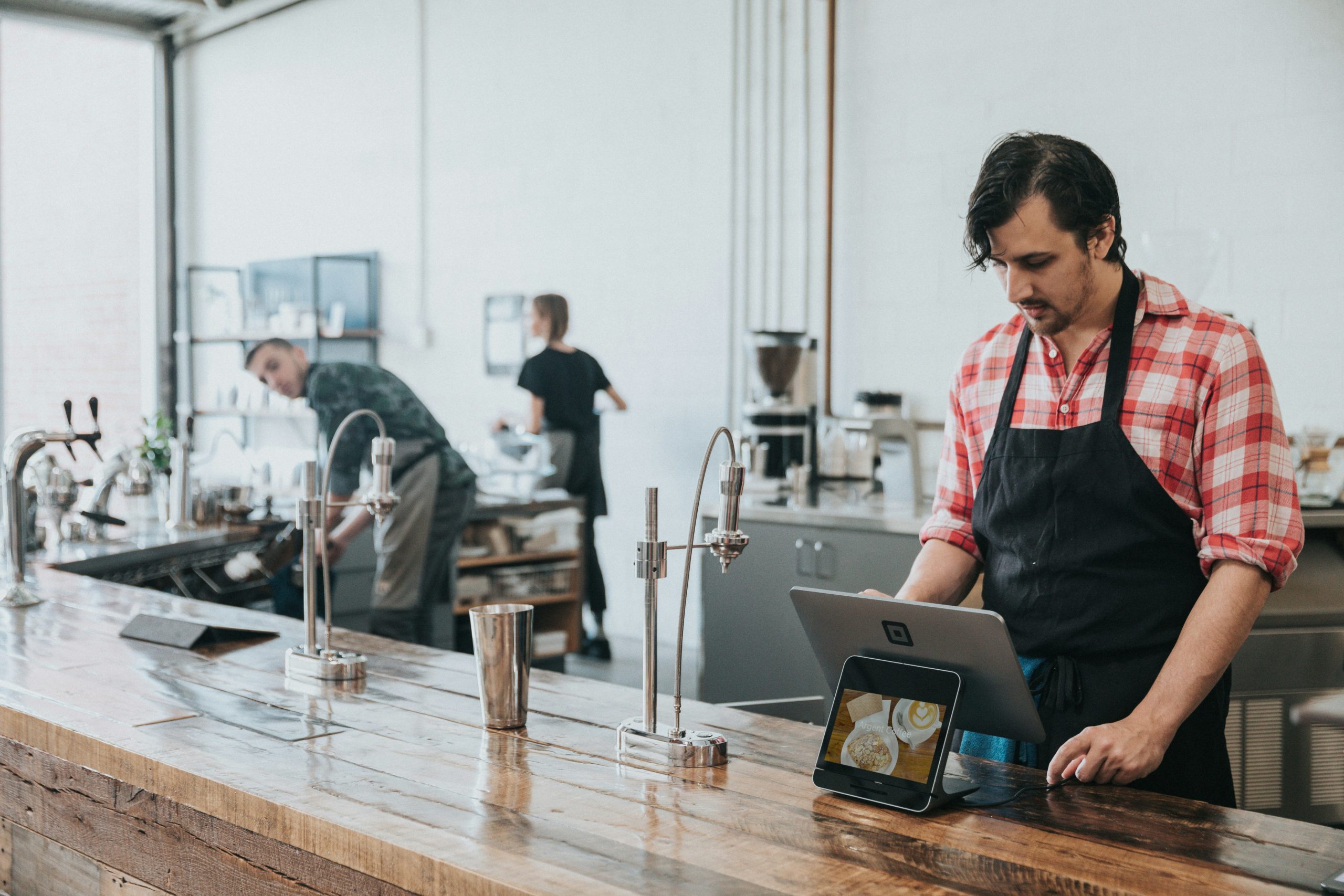
Once you’re open, you’ll have a predictable set of recurring expenses that your revenue needs to outpace. Here’s what a typical independent cafe is dealing with on a monthly basis:
- Rent: Aim for no more than 10% to 15% of revenue. If your rent is $4,000 per month, you need to be generating at least $26,000 to $40,000 in monthly sales to stay within that benchmark
- Labor: 35% to 45% of revenue — your biggest controllable expense
- Cost of goods sold (coffee, milk, syrups, food items): 25% to 35% of revenue
- Utilities (electricity, water, gas): $1,500 to $2,000 per month for a standard cafe
- POS and software subscriptions: $100 to $500 per month
- Marketing and social media: $500 to $2,000 per month depending on how actively you’re promoting
A small cafe might run $15,000 to $45,000 per month in total operating costs depending on location, hours, and staffing. The benchmark to watch: overall operating costs should ideally consume no more than 85% to 90% of your revenue, leaving a slim but real margin on the other side.
What Kind of Revenue Can You Realistically Expect?
It’s important to balance the cost picture with what’s actually possible on the revenue side. Coffee shops in the U.S. generate $200,000 to $600,000 in annual revenue, with the average independent cafe sitting around $450,000 per year. That’s a wide range because location, concept, and execution make an enormous difference.
Net profit margins for independent cafes are notoriously thin. Most independents operate at a 6% to 8% net margin, compared to 10% to 12% for chain operations. That means on $450,000 in annual revenue, you might take home $27,000 to $36,000 in net profit. That’s not a windfall — but it’s also not the full picture.
Many successful cafe owners supplement their income through catering, retail coffee sales, merchandise, event hosting, and private rentals. Cafes that add food items see transaction values roughly 30% higher than coffee-only concepts. These are the levers that separate a cafe that just survives from one that actually thrives.
Is It Cheaper to Buy an Existing Cafe?
This is a question worth taking seriously. Buying an existing cafe or taking over an established space can reduce your total startup costs by $30,000 to $100,000 — sometimes more. You’re inheriting built-out plumbing, an existing hood system, espresso bar infrastructure, and sometimes equipment that’s already paid for.
The tradeoffs are real: you may also be inheriting a reputation you need to rebuild, equipment that’s aging out, or a lease with terms that don’t work in your favor. Do your due diligence on any existing cafe purchase — review the financials, inspect the equipment, understand why the current owner is selling, and get a clear read on the customer base.
For many first-time owners, a well-chosen second-gen space (previously used as a cafe or food service location) hits a sweet spot — you get the infrastructure savings without the baggage of buying a going concern.
Smart Ways to Keep Your Startup Costs Under Control
You don’t have to spend $300,000 to open a great cafe. Plenty of thriving neighborhood spots have launched on $100,000 to $150,000 by making deliberate trade-offs. Here’s what the smartest operators do:
- Start small and scale deliberately. A 600 to 800 square foot cafe with a tight menu is easier to operate profitably than a sprawling space with high overhead. You can always grow.
- Choose your space wisely. A second-gen or turnkey space saves money upfront and gets you open faster. Don’t fall in love with a raw space unless you have the capital to back it up.
- Buy used equipment strategically. Commercial espresso machines, grinders, and refrigeration hold up well when properly maintained. Buying quality used equipment can cut your equipment budget by 30% to 50%.
- Negotiate your lease. Ask for a tenant improvement (TI) allowance — many landlords offer one, especially in slower leasing markets. A $20,000 TI allowance is real money.
- Invest in tech early. A modern POS system with inventory tracking and sales analytics pays for itself quickly by reducing waste and over-ordering.
- Phase your menu. A focused opening menu with three to five core drinks and a handful of food items is easier to execute and more profitable than an overloaded menu that stretches your team and increases COGS.
These choices, combined with upgrades to make your cafe stand out — whether that’s a signature drink program, a thoughtfully designed interior, or a loyalty app that keeps customers coming back — are what separate forgettable cafes from ones that earn a real following.
What Does a Cafe Need to Succeed Beyond the Opening?
Surviving year one is its own challenge. According to industry data, roughly 50% to 75% of independent coffee shops fail within the first five years, with undercapitalization being the leading cause. The shops that make it aren’t necessarily the ones with the best beans — they’re the ones with enough runway, a clear understanding of their numbers, and owners who are willing to be on the floor and in the data every single day.
Here’s what the data consistently shows about cafes that thrive:
- Location matters more than almost anything else. Foot traffic, visibility, parking, and proximity to offices, transit, or residential density all drive volume. A great cafe in the wrong spot is still the wrong spot.
- Operational efficiency is a competitive advantage. Reducing waste, managing labor scheduling to match peak hours (typically 70% of daily sales happen between 7 and 10 AM), and keeping COGS under 35% are habits that separate marginal operators from profitable ones.
- Technology is no longer optional. From mobile ordering to AI-assisted inventory management, cafes that integrate smart tools into their operations are building real edges over neighbors who are still running on pen and paper.
- Community is the moat. Big chains can out-spend you on marketing, but they can’t replicate the feeling of a place that genuinely knows its neighborhood. Loyalty programs, local partnerships, and consistent human experiences are what build the kind of customer retention chains can’t buy.
If you’re thinking long-term, building those habits from day one — not just surviving the first few months but laying the groundwork to build a future-ready business — is the mindset that separates cafes that hit five years from ones that don’t.
How to Finance Your Cafe Opening
Unless you have $150,000 to $300,000 sitting in savings, you’ll need to think carefully about how you’re funding this. Common options include:
- Personal savings: The cleanest source, but rarely enough to cover everything on its own
- SBA 7(a) loans: The Small Business Administration’s flagship loan program offers up to $5 million with favorable terms and lower down payments — a popular option for first-time food and beverage operators
- Conventional bank loans: Harder to get without a proven track record, but available to well-qualified borrowers with strong business plans
- Friends and family investment: Common for smaller cafes, but get everything in writing to protect the relationship
- Equipment financing: Lenders will often finance equipment specifically, using the equipment itself as collateral
- Crowdfunding: Works best for concept-driven cafes with a strong community story — not a reliable primary funding source but a useful supplement
Most successful cafe openings combine two or three of these sources. Whatever your mix, build a detailed financial model before you approach any lender. Know your projected monthly costs, expected revenue ramp, break-even timeline, and how many months of operating capital you’re requesting. A lender who sees you’ve done the math is far more likely to say yes.
Putting It All Together: A Simple Cost Summary
To give you a realistic picture of what you’re working with, here’s a rough budget range for a standard independent cafe in a mid-size U.S. city:
| Cost Category | Low Estimate | High Estimate |
|---|---|---|
| Lease deposits and prepaid rent | $8,000 | $20,000 |
| Build-out / leasehold improvements | $20,000 | $150,000 |
| Equipment | $20,000 | $65,000 |
| Furniture and fixtures | $5,000 | $20,000 |
| Initial inventory | $5,000 | $10,000 |
| Licenses and permits | $2,000 | $5,000 |
| Pre-opening payroll | $3,000 | $8,000 |
| Branding, signage, and marketing | $3,000 | $10,000 |
| POS and tech setup | $1,000 | $5,000 |
| Working capital (3–6 months) | $45,000 | $100,000 |
| Total | $112,000 | $393,000 |
Most owners land somewhere in the middle — closer to $150,000 to $250,000 for a thoughtfully planned cafe with a realistic runway. The low end is achievable with a second-gen space, used equipment, and tight discipline. The high end reflects major metro locations, full kitchen buildouts, or brand-new flagship concepts.
Is Opening a Cafe in 2026 Worth It?
That depends entirely on what you mean by “worth it.” If you’re expecting a fast path to wealth, the math probably isn’t in your favor. Thin margins, high failure rates, and demanding day-to-day operations make cafes one of the harder small business bets on the board.
But if you’re asking whether a well-planned, community-rooted, operationally sound cafe can build a sustainable business that you’re proud of — the answer is genuinely yes. The cafes that are winning right now aren’t doing anything magical. They know their numbers, they treat their team well, they’re honest about what makes them different, and they don’t stop improving.
Going in with clear eyes about the costs, a realistic financial model, and enough capital to give yourself a fighting chance isn’t pessimism — it’s just good business. The dream is worth protecting with a solid plan.
