
Opening a new restaurant or culinary venue is one of the most exciting ventures an entrepreneur can undertake in their professional career. It represents the realization of a lifelong culinary vision, a physical place where unique food concepts, hospitality, and community gathering intersect. However, translating a creative menu into a high-functioning physical space requires much more than just passion and culinary skills. The absolute heart of any successful foodservice business is its back-of-house infrastructure, which demands meticulous planning, substantial financial investment, and a deep understanding of operational logistics. A commercial kitchen is a highly complex, fast-moving ecosystem where raw ingredients enter, kitchen teams move under intense high-stress conditions, and finished plates emerge at a rapid pace. Every single square inch of the floor plan must be completely optimized for safety, speed, and long-term efficiency to maximize daily profitability and staff retention.
The journey from an empty brick-and-mortar building shell to a fully functioning hot line involves navigating a complex, tedious maze of local building codes, health department regulations, and equipment selections. Without a clear, highly structured roadmap, unexpected construction delays and massive budget overruns can stall a grand opening indefinitely, draining vital capital resources. This guide provides a detailed blueprint for managing a successful kitchen build-out, ensuring that every piece of the puzzle fits together perfectly. By focusing on strategic layout design, workflow optimization, and strict regulatory compliance, business owners can create a kitchen that fully supports their culinary staff and protects their bottom line. The entire process begins long before the first piece of cooking equipment arrives on site, starting with the initial conceptualization and the assembly of a skilled project management team.
The Foundation of Planning and Design
Every successful commercial kitchen build-out begins on paper. The physical layout must be meticulously designed around the specific menu requirements, as a pastry bakery requires vastly different utility infrastructure than a high-volume steakhouse. Designers look closely at the daily flow of materials and personnel, establishing clear zones for receiving, inventory storage, food preparation, actual cooking, plating, and heavy dishwashing. When these individual zones are arranged logically, staff members can perform their duties without crossing paths unnecessarily, minimizing the risk of workspace accidents and cross-contamination. During this initial design phase, securing the expertise of licensed professionals who specialize in commercial contracting is essential. These specialists understand exactly how to translate complex architectural drawings into physical reality while managing subcontractors, structural demands, and strict construction timelines.
A well-coordinated build-out requires balancing structural engineering capabilities with kitchen utility needs. Gas lines, electrical panels, and water pipes must be positioned with extreme precision to match the exact manufacturer specifications of the chosen appliances. Failing to account for these minor technical details early can lead to incredibly costly retrofits later in the building process. Furthermore, the selection of wall and flooring materials must prioritize daily hygiene and long-term durability, opting for non-porous, easily cleanable surfaces like stainless steel wall panels and commercial quarry tile. By establishing a robust planning framework and working alongside experienced build teams, operators can easily avoid common pitfalls and ensure the physical space fully supports the operational workflow from day one.
Site Inspection and Exterior Considerations

Before construction crews begin tearing down interior walls, the physical building must undergo a thorough inspection. This comprehensive evaluation goes far beyond the kitchen doors to include the entire property envelope, main utilities, and surrounding grounds. Navigating municipal zoning laws and securing the appropriate building permits can take weeks, making early assessment a top priority for any project manager. Structural inspectors look closely at electrical service capacity, water pressure, and structural integrity to confirm the venue can handle the massive daily utility loads of heavy commercial equipment. If the building lacks adequate power or water lines, upgrading these core utilities must happen before any internal progress can be made.
Attention must also be paid to the exterior of the property, as the customer experience begins before they ever enter the building. Delivery trucks, waste disposal vehicles, and patrons all require safe, reliable access to the venue. Cracks, deep potholes, or uneven asphalt can create safety hazards and leave a poor first impression on visitors and inspectors alike. Addressing these structural issues early by scheduling professional parking lot repair ensures smooth traffic flow and complies with local accessibility standards. A well-maintained exterior not only improves the overall curb appeal of the establishment but also prevents potential customer liabilities. Once the outer perimeter and main utility lines are secure, the focus can shift entirely to constructing the specialized interior zones that form the operational backbone of the business.
Cold Storage and Ingredient Preservation
Preserving ingredient quality is paramount to food safety and cost control in any commercial food enterprise. Chefs rely on a reliable cold chain to keep perishable items at precise temperatures, preventing spoilage and complying with strict health department mandates. The layout must include designated areas for walk-in coolers, freezers, and reach-in units positioned close to the prep stations. Choosing the right size and style of cold storage depends heavily on delivery frequencies and menu volume. A kitchen that receives daily deliveries may need less storage space than a remote venue that stocks up once a week.
Investing in top-tier commercial refrigeration systems is one of the most critical decisions an owner will make during the equipment procurement phase. These heavy-duty units operate under extreme ambient heat and constant daily use, requiring commercial-grade compressors and high-density insulation to maintain stable internal temperatures. Energy efficiency should be a primary consideration, as cooling units run continuously and contribute significantly to monthly utility bills. Properly positioning these units away from main cooking lines helps them operate more efficiently, reducing wear and tear on mechanical components. Ensuring that these storage units are properly calibrated and monitored protects inventory investments and guarantees that ingredients remain fresh and safe for consumption.
Air Flow and Ventilation Engineering
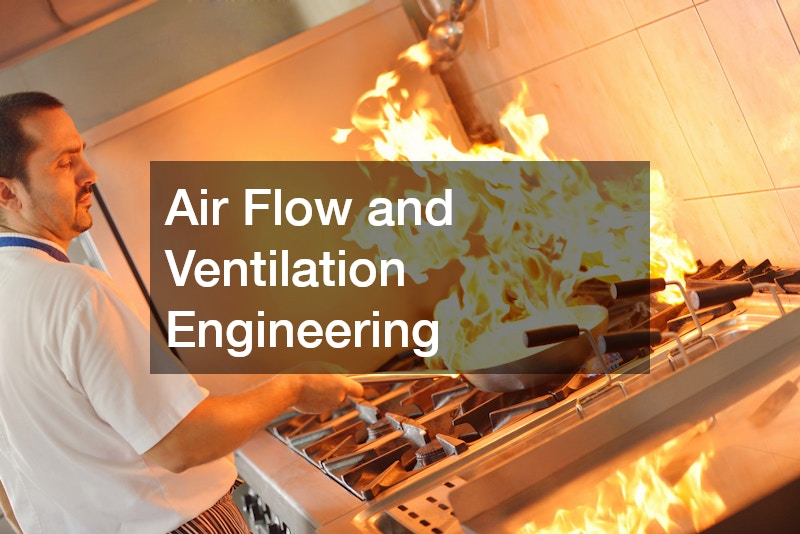
Managing air quality and temperature is a monumental challenge in a space filled with open flames, boiling liquids, and high-heat ovens. Without proper ventilation, a kitchen quickly becomes uncomfortable, dangerous, and highly inefficient. The ventilation system must be engineered to remove heat, smoke, grease particles, and moisture while simultaneously introducing fresh makeup air to maintain balanced building pressure. Working with an experienced commercial HVAC supplier ensures that the heating and cooling systems are sized correctly to handle the unique thermal loads generated by heavy cooking appliances. This prevents the dining room from becoming uncomfortably warm and keeps the kitchen staff safe and productive.
The centerpiece of the kitchen ventilation system is the exhaust canopy positioned directly over the cooking line. Proper kitchen hood installation requires careful calculation of overhangs, air capture velocities, and ductwork routing to ensure compliance with local mechanical codes. The hood must effectively draw up contaminated air and direct it through grease filters before exhausting it outside the building. Properly engineered ventilation also reduces grease accumulation on walls and ceilings, lowering the risk of flash fires. Balancing the exhaust and makeup air requires precision engineering, but a well-designed system lowers energy costs, improves indoor air quality, and creates a more comfortable environment for both employees and guests.
Fire Safety and Regulatory Compliance
Commercial kitchens are high-risk environments where open flames, electrical equipment, and hot cooking oils create a constant fire hazard. Protecting the physical asset, the staff, and the patrons requires a multi-layered approach to fire suppression and detection that meets strict municipal safety codes. Local fire marshals demand rigorous compliance before granting a certificate of occupancy, making safety infrastructure a central focus of the build-out. Every step of this installation process must be documented, inspected, and tested by certified professionals to guarantee flawless operation during an emergency.
The first line of defense against building-wide emergencies is a comprehensive fire alarm installation that links the kitchen directly to local emergency response networks. This system includes smoke detectors, heat sensors, and manual pull stations positioned at strategic exit points throughout the venue. Directly above the cooking appliances, a specialized fire suppression system must be integrated into the ventilation hood. This system is designed to automatically detect extreme heat or flare-ups on the cooktop, instantly releasing liquid chemical agents to smother grease fires and shutting off the fuel supply to the appliances. Regular testing and maintenance of these safety systems are mandatory, providing owners with peace of mind and protecting the business from catastrophic property damage.
Plumbing Infrastructure and Waste Management
The hidden network of pipes running beneath the kitchen floor is just as critical as the heavy equipment operating on top of it. Commercial plumbing systems must handle large volumes of hot water, food debris, and heavy wastewater without backing up or creating sanitation issues. Sinks for handwashing, food preparation, and dishwashing must all be plumbed with proper air gaps to prevent backflow contamination. Water filtration systems are also necessary to protect expensive combi-ovens, ice machines, and espresso blenders from mineral buildup, extending appliance lifespans and ensuring consistent water quality.
Managing kitchen waste requires specialized interceptors to protect the municipal sewer system from clogging. Installing a heavy-duty grease trap is a mandatory requirement for any business that cooks or prepares food on-site. This device slows down the flow of warm, greasy water, allowing the fats, oils, and grease to cool, separate, and float to the top while cleaner water flows out into the main sewer line. Additionally, management must establish clear protocols for used cooking oil disposal to handle the waste generated by deep fryers. Storing old oil in secure, designated containers prevents spills and allows eco-friendly recycling companies to collect the material safely. Properly managing these waste streams keeps the facility clean, avoids costly plumbing backups, and ensures full compliance with environmental regulations.
Sanitization and the Pre-Launch Deep Clean
As the heavy construction wraps up and the inspectors sign off on the utilities, the physical space will be covered in construction dust, drywall particles, and industrial residue. A standard wipe-down is completely insufficient for a space meant to prepare food for the public. Before any ingredients can be brought into the building, every surface, shelf, and appliance must undergo a thorough sanitization process. This step is vital for passing the final health department inspection and securing the necessary operating licenses.
Bringing in a professional service for commercial kitchen cleaning is the most efficient way to achieve this level of pristine sanitation. Specialized crews use food-safe sanitizers and high-powered pressure washers to clean hard-to-reach areas, including the interiors of refrigeration units, line equipment, and stainless steel tables. They ensure that every trace of building debris is eliminated from storage areas, prep stations, and dishwashing lines. This deep clean establishes a baseline of sanitation that the kitchen staff can maintain through daily cleaning schedules. A spotless, sanitized kitchen boosts staff morale, demonstrates a commitment to food safety, and leaves a stellar impression on health inspectors during their initial walkthrough.
The Countdown to the Grand Opening
With a sparkling clean kitchen and all municipal permits in hand, the final phase of the build-out focuses on intensive staff training, inventory procurement, and operational rehearsals. Raw ingredients are ordered, storage bins are labeled, and essential smallwares like pans, knives, and tongs are organized at their respective stations. Chefs use this critical preparation time to conduct extensive menu trials, adjusting cooking times and plating techniques to match the flow of the new equipment line. This period allows front-of-house service staff and back-of-house kitchen teams to practice clear communication, ensuring a seamless experience for guests on opening night.
Conducting a soft opening is a highly effective strategy for testing the kitchen under real-world operational conditions. Inviting friends, family, or local business owners to a series of trial dinners allows the kitchen staff to iron out any operational kinks, fine-tune the expediting process, and adjust station layouts for better physical efficiency. Any minor issues with equipment calibration or unexpected workflow blockages can be identified and corrected without risking the restaurant’s public reputation or online reviews. Once these final adjustments are made, the doors can open wide for the official grand opening, launching a brand-new business built on a solid foundation of professional craftsmanship, strict safety compliance, and operational excellence.
Turning Pre-Listing Preparation into Profit
Ultimately, preparing a commercial kitchen for the market is a major undertaking, but the focused effort pays off exponentially on opening night. Following a structured checklist helps business owners eliminate operational friction before it ever arises. From foundational elements to final aesthetic polishes, each step taken builds a compelling narrative of a venue that is sturdy, beautiful, compliant, and ready for its next chapter. Taking care of these vital structural details ahead of time puts the operator in a position of complete market strength, allowing them to dictate the terms of their brand rollout and maximize their return on investment.
While it obviously takes significant time, capital, and mental energy to check off every single item on this list, the long-term financial rewards and peace of mind during official inspections are well worth the investment. Business owners can move forward confidently into the local market, knowing they have left no stone unturned. With proper design planning and the right professional help, transitioning from an empty space to a roaring culinary success can be a smooth, highly rewarding journey.
