
When business owners budget for property upkeep, they typically think about the visible basics: painting, signage, and maybe a fresh coat of asphalt sealant. What rarely makes it into the spreadsheet are the exterior systems that fail quietly until they become expensive emergencies. These overlooked costs can blindside even seasoned operators, throwing off cash flow projections and forcing rushed decisions under pressure. Understanding what typically gets missed is the first step toward building a budget that actually reflects the true cost of owning or leasing commercial property.
Aging Trees and Storm Damage Liability

Mature trees on a commercial lot add curb appeal, but they also carry hidden risk that many property budgets never anticipate. A single storm can snap large limbs onto a roof, a parking lot, or a customer vehicle, turning a landscaping afterthought into a liability claim. Insurers routinely deny weather-related damage claims if they can show the tree was already diseased, dead, or visibly compromised before the storm hit — shifting the entire repair cost, and potentially injury claims, back onto the business. Certified arborist inspections typically run $200 to $600 per visit, but they’re far cheaper than the alternative: removing a large hazardous tree after the fact can cost $1,500 to $5,000, and that’s before factoring in roof repairs, vehicle damage, or a lawsuit from an injured customer. Annual inspections should check for root heaving near sidewalks and foundations, canopy die-back, fungal growth at the base, and cracks or cavities in major limbs. Trees near power lines or overhangs deserve extra scrutiny since falling branches there can cause outages on top of physical damage. Budgets also need to account for proactive pruning, not just emergency removal. Deadwooding and canopy thinning every two to three years reduce wind resistance and limb failure, and they cost a fraction of what storm cleanup and liability defense run. Skipping this maintenance line item doesn’t eliminate the cost — it just defers it, usually to a moment when a storm, an insurance adjuster, and a customer’s attorney are all involved at once.
Trees planted decades ago as attractive landscaping features often become liabilities as they mature, and most business plans never budget for their eventual decline. A large oak or maple near a parking lot or building can drop limbs weighing hundreds of pounds without warning, especially after drought stress, disease, or root damage from nearby construction. Insurance may cover damage from a storm-felled tree, but it rarely covers the removal of a healthy-looking tree that an arborist flags as structurally compromised. When a tree does need to come down, the cost is rarely trivial, especially near power lines or occupied buildings. Many property owners are surprised to learn that tree removal companies charge based on height, trunk diameter, and site accessibility rather than a flat rate — a straightforward removal might run $500 to $1,000, while a large tree tangled in utility lines or wedged between structures can easily exceed $3,000. Crane rental, stump grinding, and debris hauling are frequently billed as separate line items, not included in the base quote. Emergency removals after a storm cost even more, since demand spikes and crews often charge premium rates for after-hours or rush jobs. Waiting until a tree is visibly dead or a limb has already fallen also increases the odds of collateral damage to roofs, vehicles, or fencing, adding repair costs on top of removal fees. Budgeting a modest annual line item for tree health assessments — typically a few hundred dollars for a certified arborist to inspect the property — is far cheaper than an emergency removal after a storm, and it gives owners time to plan removals during off-peak seasons when rates are lower.
- Schedule a professional inspection every one to two years for trees over 30 feet tall, and annually for older trees near buildings or parking areas
- Watch for leaning trunks, exposed roots, dead upper branches, and fungal growth at the base, all early signs of structural failure
- Get removal quotes before storm season, not during it — post-storm demand can inflate emergency removal costs by two to three times
- Factor in stump grinding and debris hauling as separate cost items, since most removal quotes don’t include them by default
- Confirm whether your general liability policy covers tree-related property damage or injury, and get it in writing
- Keep dated photos and inspection records — insurers and courts often ask for proof you knew about a hazard and acted on it
Underground Wastewater Systems and Septic Care
Properties not connected to municipal sewer lines rely on septic systems that require far more attention than most business plans allocate. Without regular service, solids build up and eventually clog drain fields, leading to backups that can shut down a restaurant, salon, or retail space for days. Commercial septic system pumping needs to happen on a schedule tied to occupancy and water usage, not just when something starts smelling wrong.
The frequency of septic tank pumping depends heavily on how many people use the facility daily, which many business owners underestimate when they first open. A high-traffic location can fill a tank far faster than the same size system in a low-traffic office. Skipping scheduled service to save money almost always costs more once a full backup requires emergency excavation and repair.
- Track tank capacity against daily customer and employee traffic
- Keep maintenance records in case of future property sale or lease renewal
- Never wait for slow drains as the first warning sign
- Ask about warning signs specific to grease-heavy businesses like restaurants
Sinking Concrete and Uneven Pavement
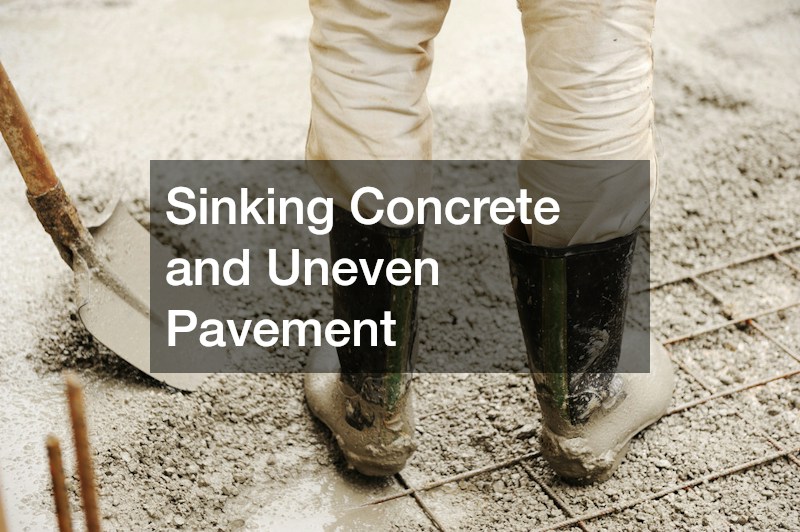
Parking lots, sidewalks, and loading docks settle over time as soil beneath them shifts, erodes, or compacts unevenly, especially in areas with heavy freeze-thaw cycles or poor initial site grading. Most commercial leases never specify who is responsible for fixing it, leaving tenants and landlords in a costly standoff while the damage spreads. By the time someone budgets for repairs, a simple patch job has often become a full section replacement costing thousands more. Cracked or sunken concrete is not just cosmetic; it creates tripping hazards that expose a business to liability claims from customers, delivery drivers, and employees. A single slip-and-fall settlement or lawsuit can easily exceed the cost of years of preventive maintenance. Insurance carriers may also flag repeated incidents or visible hazards during inspections, which can raise premiums or complicate coverage renewal. Left unaddressed, minor settling can worsen into drainage problems that damage the building foundation itself. Water pooling in low spots seeps toward the structure instead of away from it, gradually undermining footings and basement walls. What starts as a $500 patch job can turn into a $50,000 foundation repair if the underlying grading issue is never corrected. Loading docks deserve particular attention, since uneven pavement there affects more than appearances. A dock apron that has settled even an inch or two can misalign with trailer beds, creating hazards for forklift operators and increasing wear on loading equipment. Businesses that rely on frequent freight deliveries should have dock areas inspected annually, since the cost of downtime from a damaged loading area often outweighs the repair itself.
Sinking concrete and uneven pavement rarely show up in the initial budget, yet they’re one of the most common exterior issues property managers face within a few years of opening. Soil erosion, poor compaction during original construction, and heavy freeze-thaw cycles can all cause slabs to settle unevenly, creating tripping hazards in parking lots, walkways, and loading areas. Left unaddressed, these liability risks can lead to costly injury claims that dwarf the price of early repair. Full concrete replacement is expensive and disruptive, often running $8 to $15 per square foot once demolition, disposal, and curing time are factored in. That’s why many property managers now look at mudjacking companies as a faster, less invasive alternative. This process involves pumping a stabilizing material, typically a cement-based slurry or polyurethane foam, beneath the slab to raise it back into place without tearing out the existing concrete. Mudjacking typically costs a fraction of replacement, often in the $3 to $6 per square foot range, and can be completed in a matter of hours rather than days. Because there’s no demolition involved, businesses can usually reopen the repaired area the same day, minimizing lost foot traffic or parking capacity. It’s worth budgeting for this as a recurring maintenance line item rather than a one-time fix, since slabs in high-traffic or high-moisture areas may need releveling again every few years.
- Inspect parking lots and walkways twice a year (spring and fall) for new cracks, dips, or heaving caused by freeze-thaw cycles
- Address puddling water near entrances before it undermines the foundation or seeps into the building envelope
- Watch for settling near utility trenches and manhole covers, which often signals erosion happening below the surface
- Compare mudjacking costs (typically $500–$1,500 per section) against full replacement ($3,000–$10,000+) before committing to either fix
- Factor in slab thickness and soil conditions, since poor sub-base compaction will cause repairs to fail again within a year or two
- Document pavement condition with dated photos and inspection logs for insurance claims and slip-and-fall liability defense
- Flag trip hazards exceeding a quarter-inch height difference, the threshold many courts use to determine negligence
Overhead Doors and Loading Dock Wear
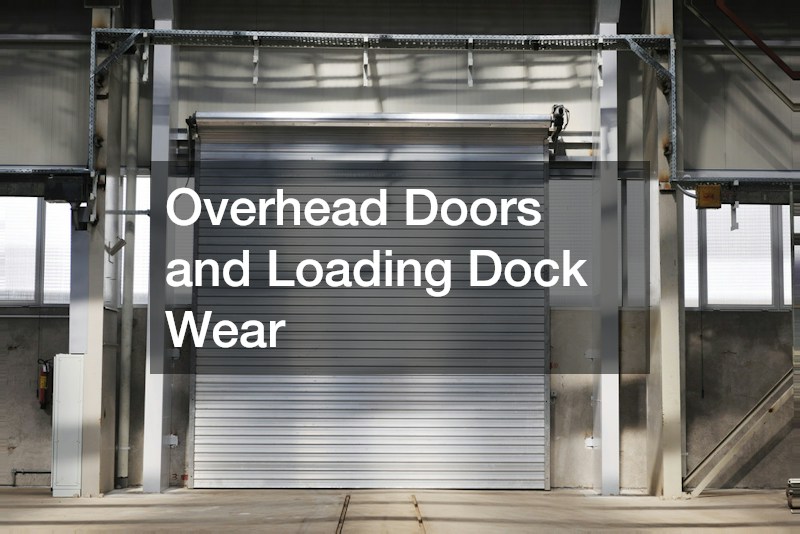
Overhead and loading dock doors take a beating in any commercial setting, especially in warehouses, auto shops, and retail stockrooms with frequent deliveries. Springs wear out, tracks bend, and sensors fail, often without much warning until the door simply stops working mid-shift. A malfunctioning door can halt receiving operations entirely, which makes this one of the more disruptive failures a business can face.
Because these doors combine heavy hardware with electrical components, most owners eventually need professional service rather than a DIY fix. Garage door companies typically offer maintenance plans that catch worn cables and misaligned tracks before they cause a full breakdown. Building even a small annual budget for this kind of preventive service tends to be far cheaper than an emergency same-day repair call.
- Listen for grinding or scraping sounds during normal operation
- Test safety sensors monthly if the door sees daily use
- Keep tracks clear of debris and buildup
- Schedule spring tension checks annually, since broken springs are a leading cause of sudden failure
Property Boundaries and Perimeter Security
Fencing does more than mark a property line; it controls access, deters theft, and in many industries satisfies insurance or zoning requirements. Chain link, wood, and vinyl all age differently depending on climate exposure, soil movement, and how much wear the gate hardware takes from daily use. A fence that looked fine at installation can develop leaning posts and sagging gates within a few years if the ground beneath it isn’t stable.
When it comes time to replace or expand a perimeter, working with experienced fence companies matters more than most owners expect, particularly around permitting and property line surveys. Fence installation done without a proper survey can trigger boundary disputes with neighboring businesses, an expensive problem that is entirely avoidable. Budgeting for professional installation up front usually costs less than correcting a poorly placed fence later.
- Confirm property lines with a survey before any new fence installation
- Check gate hinges and latches seasonally for rust or misalignment
- Choose materials suited to local weather rather than the cheapest upfront option
- Ask about warranty coverage on posts and hardware
Vehicle Fleet Surfaces and Paint Protection
Businesses that operate delivery vehicles, service trucks, or a customer-facing fleet often overlook how much exterior wear affects resale value and brand image. Road debris, gravel, and weather exposure chip away at paint over time, leaving a fleet looking older than its actual mileage. This is a cost that rarely appears in a business plan because it feels cosmetic, even though it directly affects asset value.
A growing number of fleet operators now apply clear bra film to high-impact areas like hoods, mirrors, and bumpers to slow this kind of damage. The upfront cost is easy to skip when budgets are tight, but it often pays for itself by preserving resale value and reducing the frequency of paint touch-ups. For companies where vehicles double as rolling advertisements, keeping that exterior looking sharp is a legitimate business expense, not a luxury.
- Prioritize protection on the front bumper, hood, and side mirrors
- Reapply or inspect film every few years depending on mileage
- Compare film cost against projected resale value loss
- Factor protection costs into total cost of vehicle ownership
Structural Demolition and Site Clearing
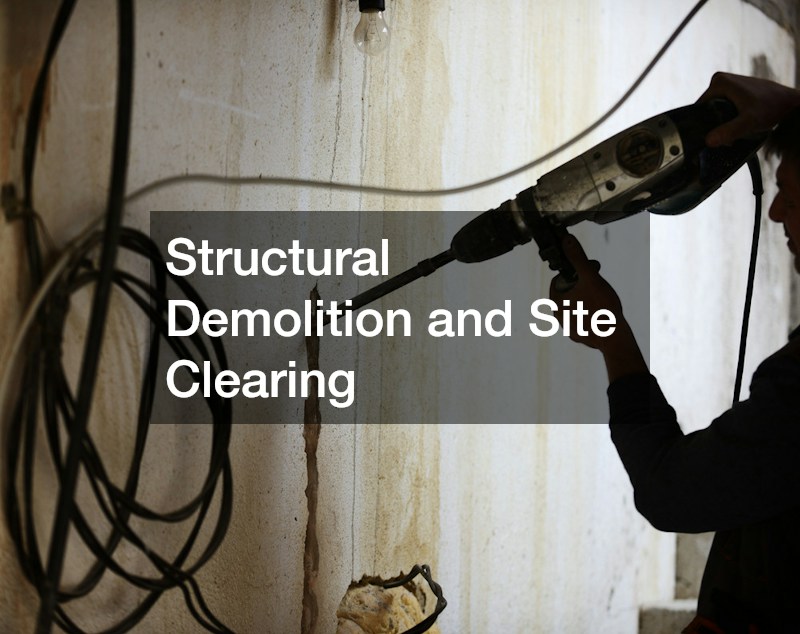
Businesses that expand, relocate, or renovate often discover that clearing an existing structure costs far more than anticipated once permits, utility disconnections, and debris disposal are factored in. What looks like a simple teardown on paper usually involves multiple inspections and coordination with the city before any work can legally begin. Skipping this planning stage is one of the most common reasons renovation budgets run over.
Hiring licensed demolition contractors ensures the work meets safety codes and that hazardous materials like old insulation or asbestos are handled properly. Costs vary widely based on structure size, material type, and how much of the debris needs to be hauled versus recycled. Getting multiple detailed quotes before finalizing a renovation timeline helps avoid the sticker shock that catches so many business owners off guard.
- Request a written scope of work covering permits, utilities, and debris removal
- Ask about hazardous material testing before demolition begins
- Compare timelines, since delays often cost more than the demolition itself
- Confirm who is responsible for site restoration afterward
Refrigeration Units Exposed to the Elements
Restaurants, grocery stores, and other food-based businesses often rely on walk in cooler units housed partly outdoors or in unconditioned spaces like loading docks. These units face constant temperature swings, humidity, and dust exposure that accelerate wear on seals, compressors, and door hinges far faster than indoor equipment. A failure here isn’t just an inconvenience; it can mean thousands of dollars in spoiled inventory within hours.
Scheduling routine walk in cooler repair and maintenance before peak season catches small issues, like a failing gasket or a struggling compressor, before they become full breakdowns. Many business owners only think about this equipment when it fails, which almost guarantees a more expensive emergency service call. Building preventive maintenance into the annual budget protects both the equipment and the inventory sitting inside it.
- Check door seals and gaskets monthly for gaps or cracking
- Monitor compressor performance during seasonal temperature extremes
- Keep condenser coils clean to reduce strain on the system
- Schedule professional inspection before high-demand seasons
The exterior of a commercial property involves far more moving parts than most business plans ever account for, from underground plumbing to overhead doors to the trees shading the parking lot. Building a realistic maintenance budget means looking beyond the obvious and asking what systems are aging quietly out of sight. Taking inventory of these often-overlooked expenses now, rather than after an emergency forces the issue, puts any business owner in a far stronger financial position.
